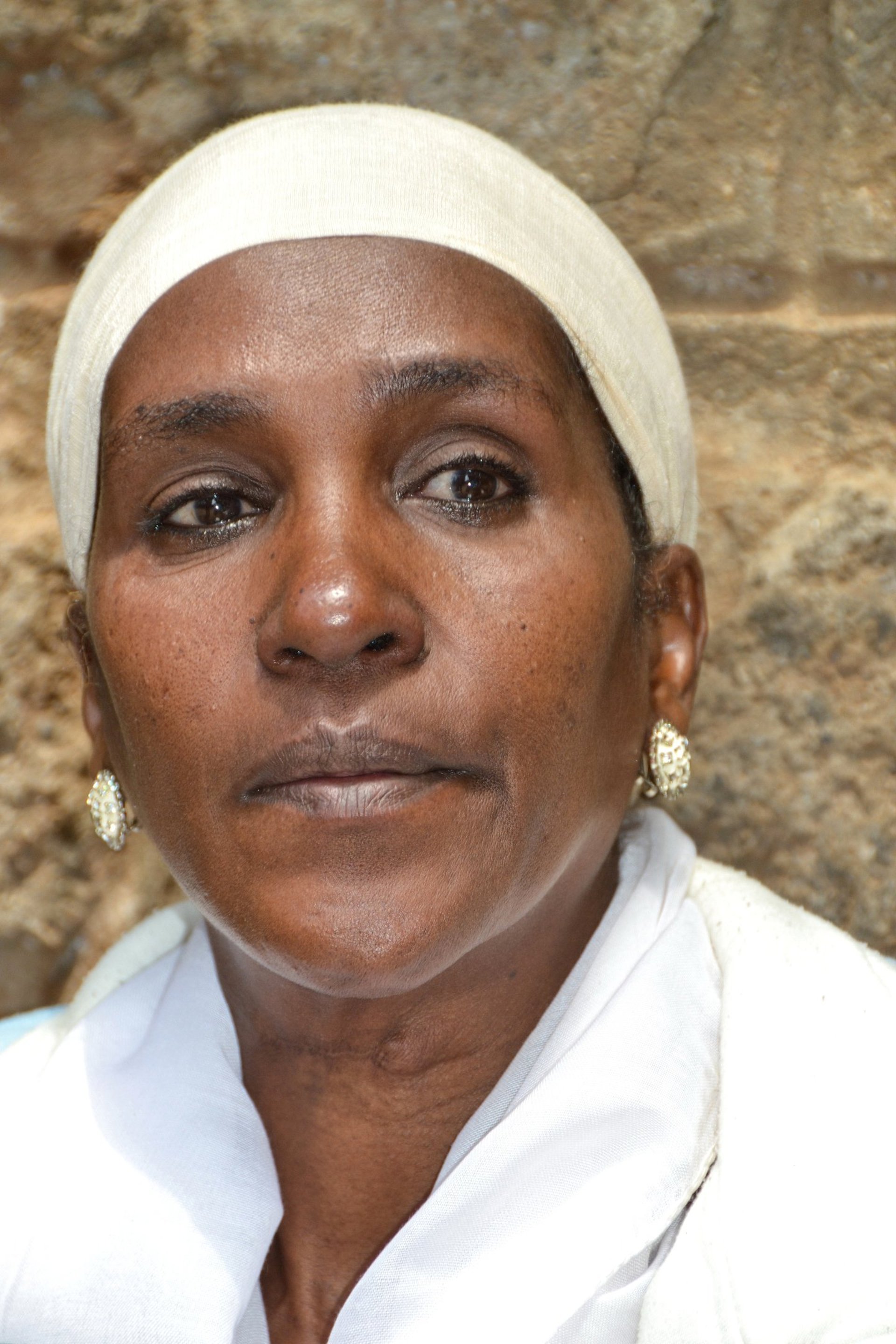
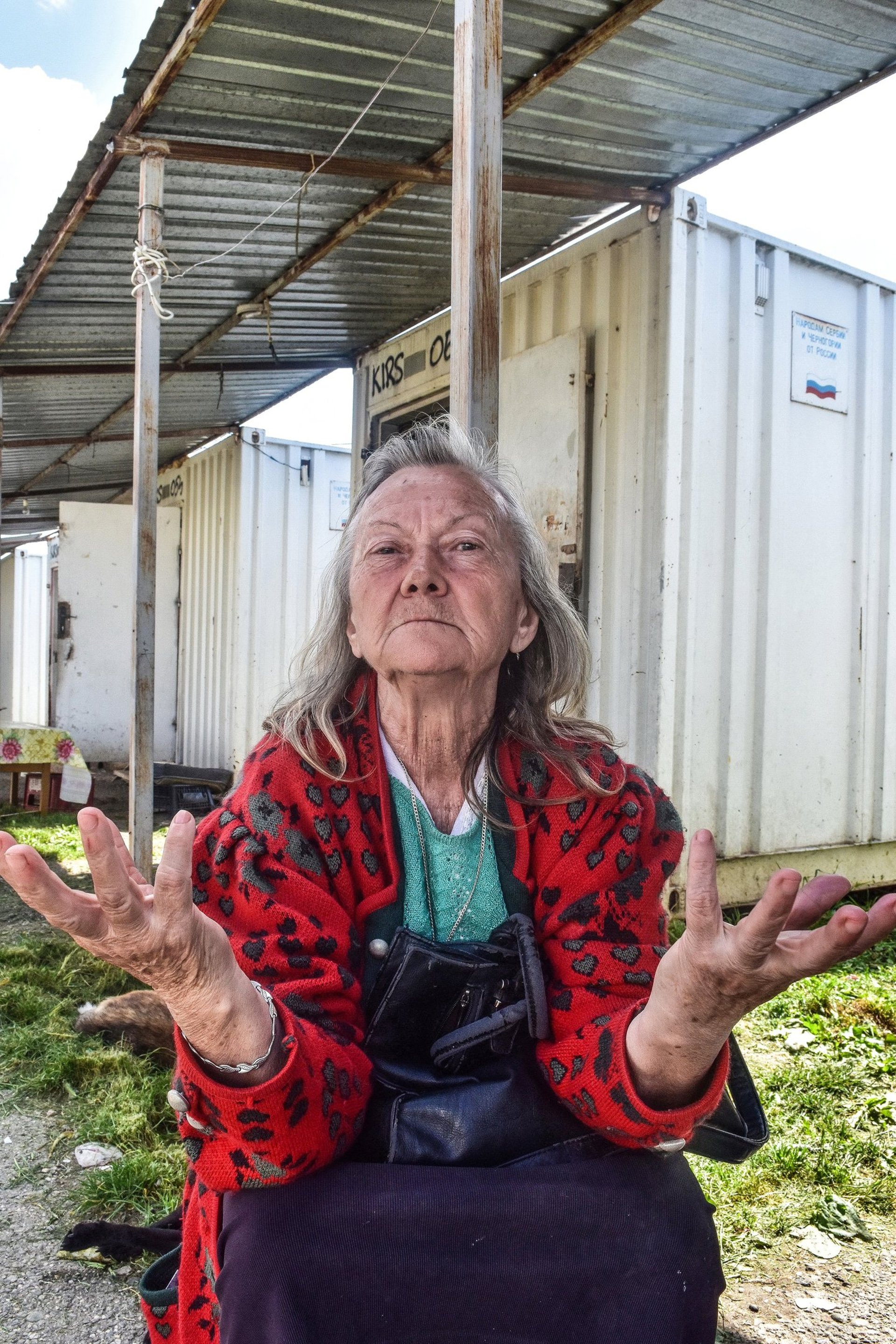
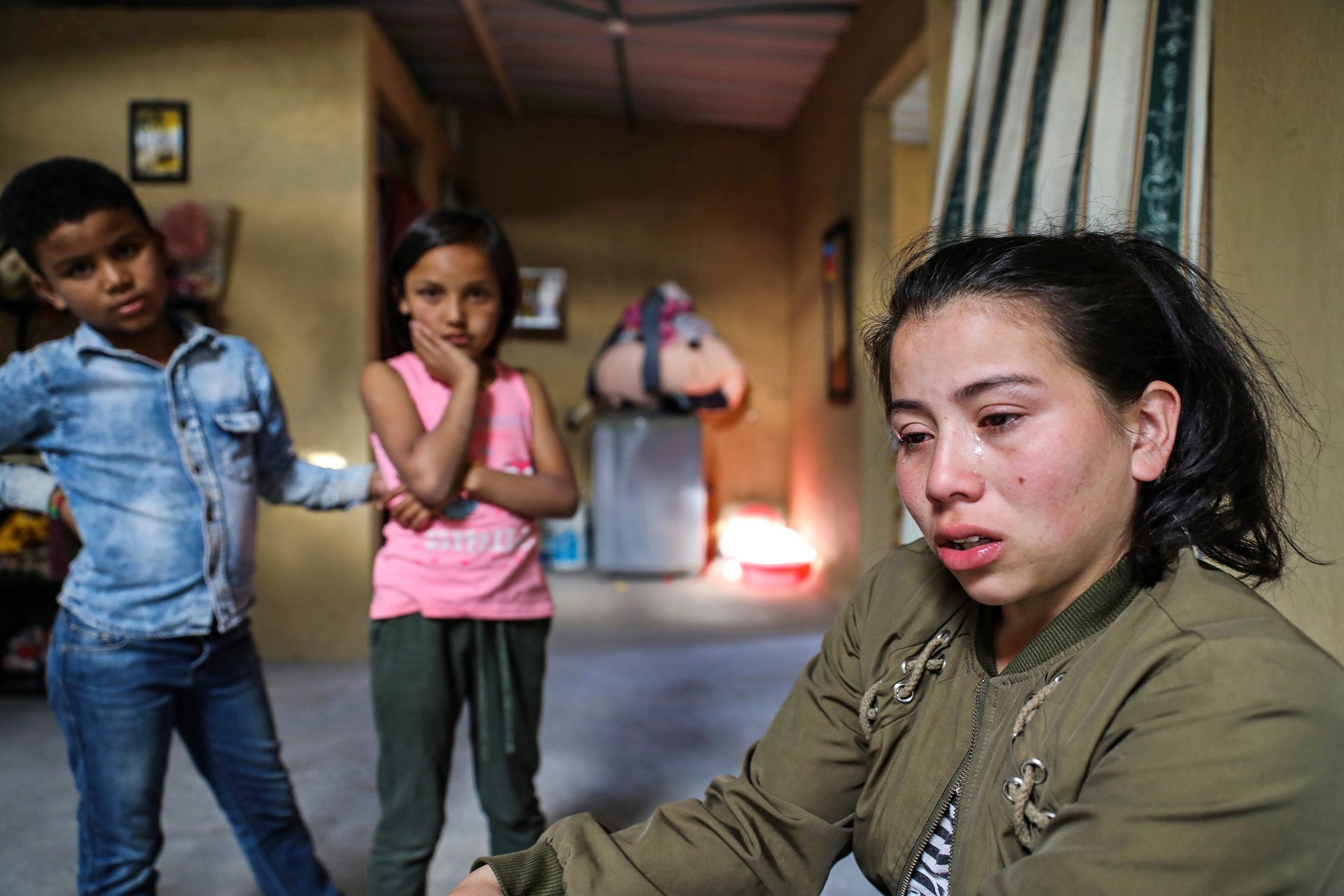
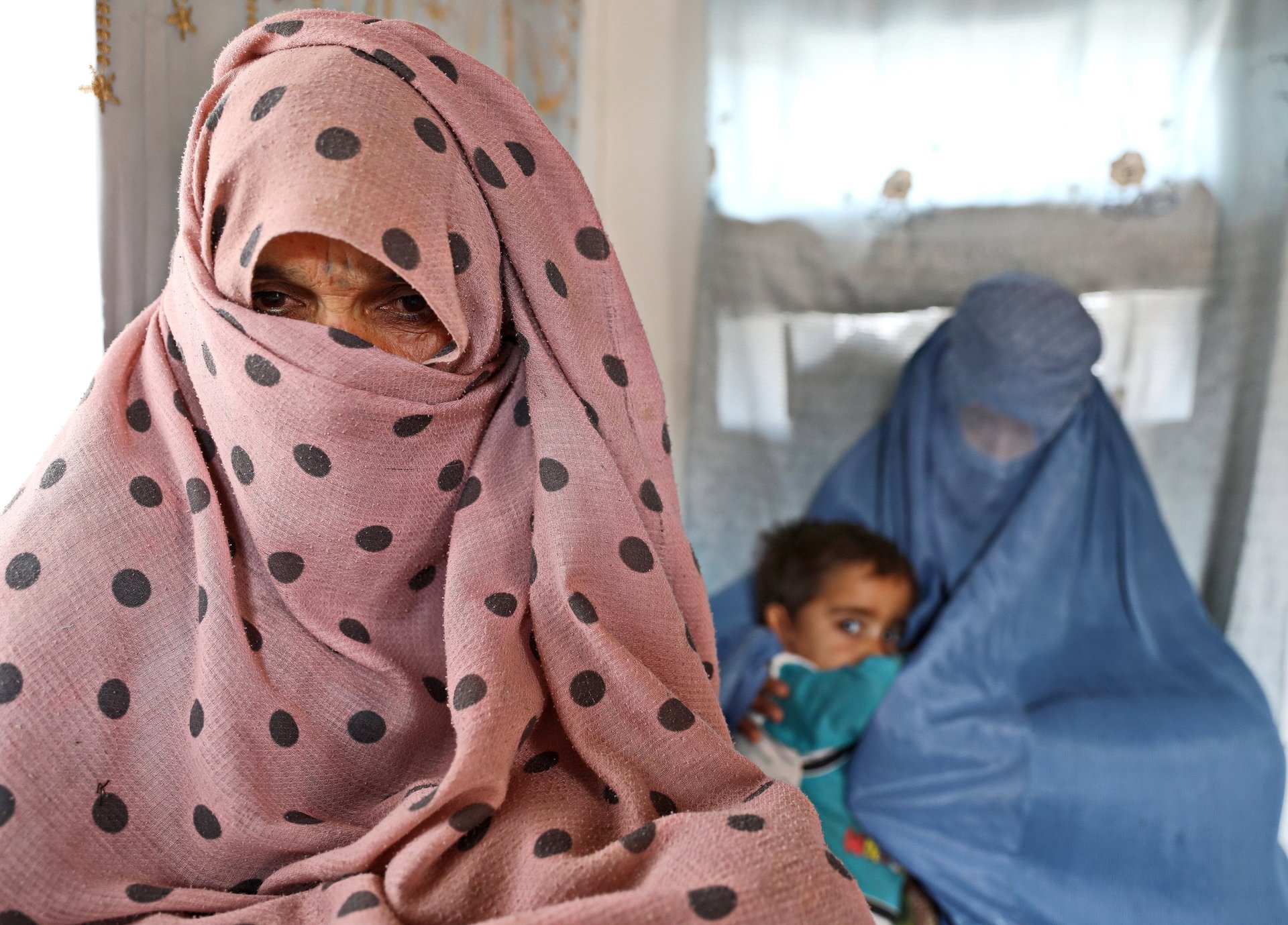
“The Power of Darkness”
Women. Conflict. Survival.
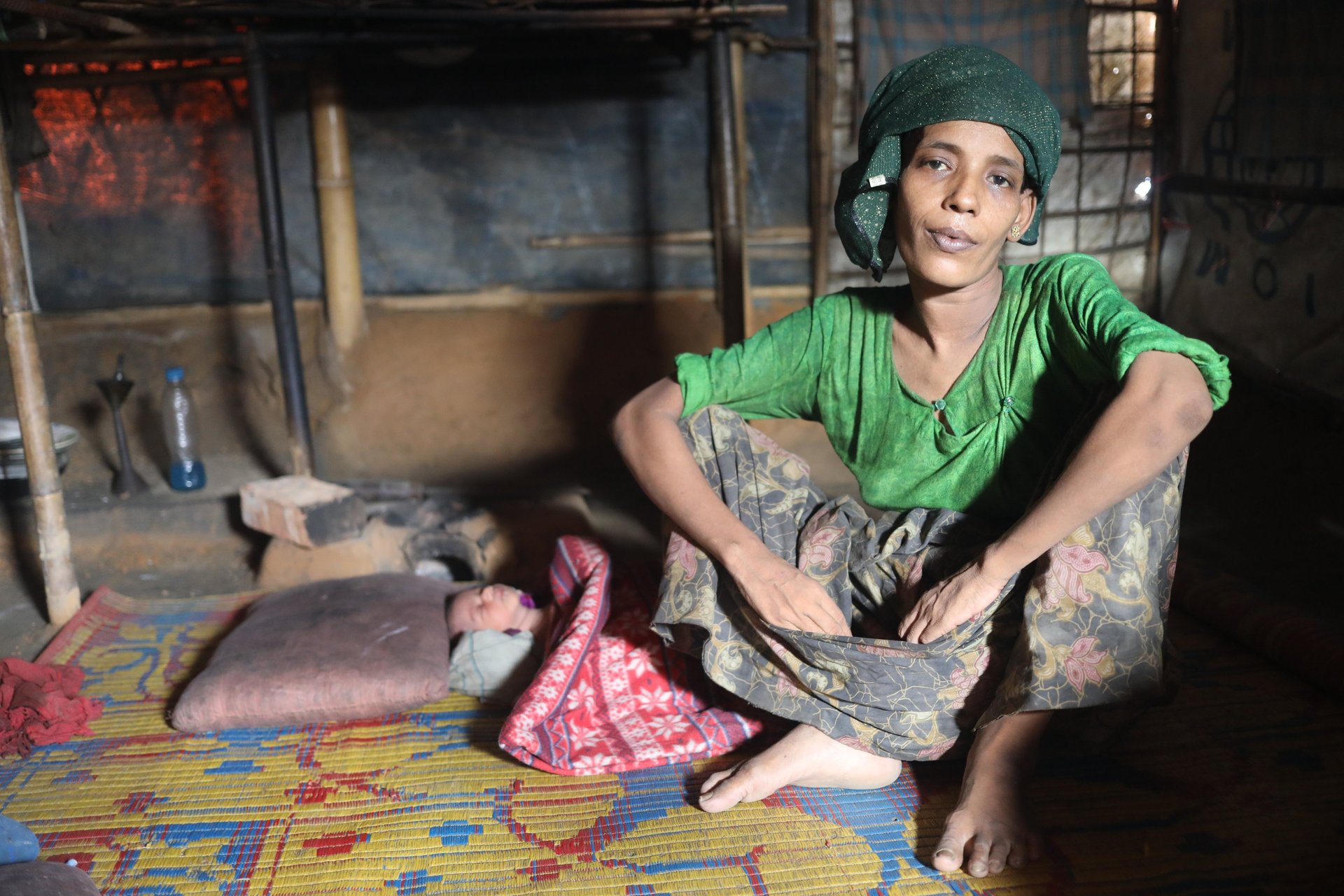
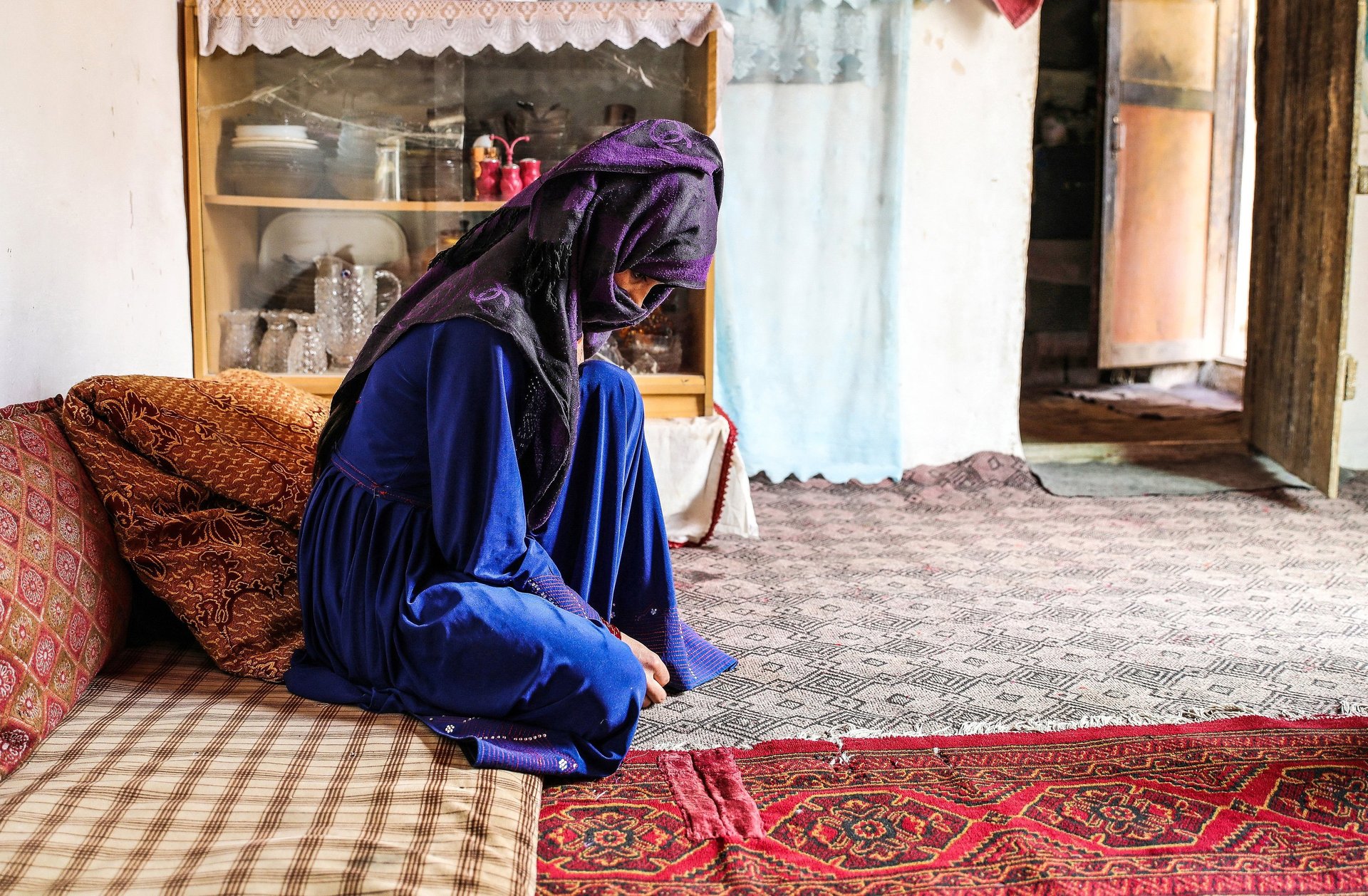
This work is an homage to all brave women in conflict and war zones.
Great wars have marked the last century, while conflicts continue to rage today in various parts of our planet. The degradation of humanity is evident in countries affected by conflict and war.
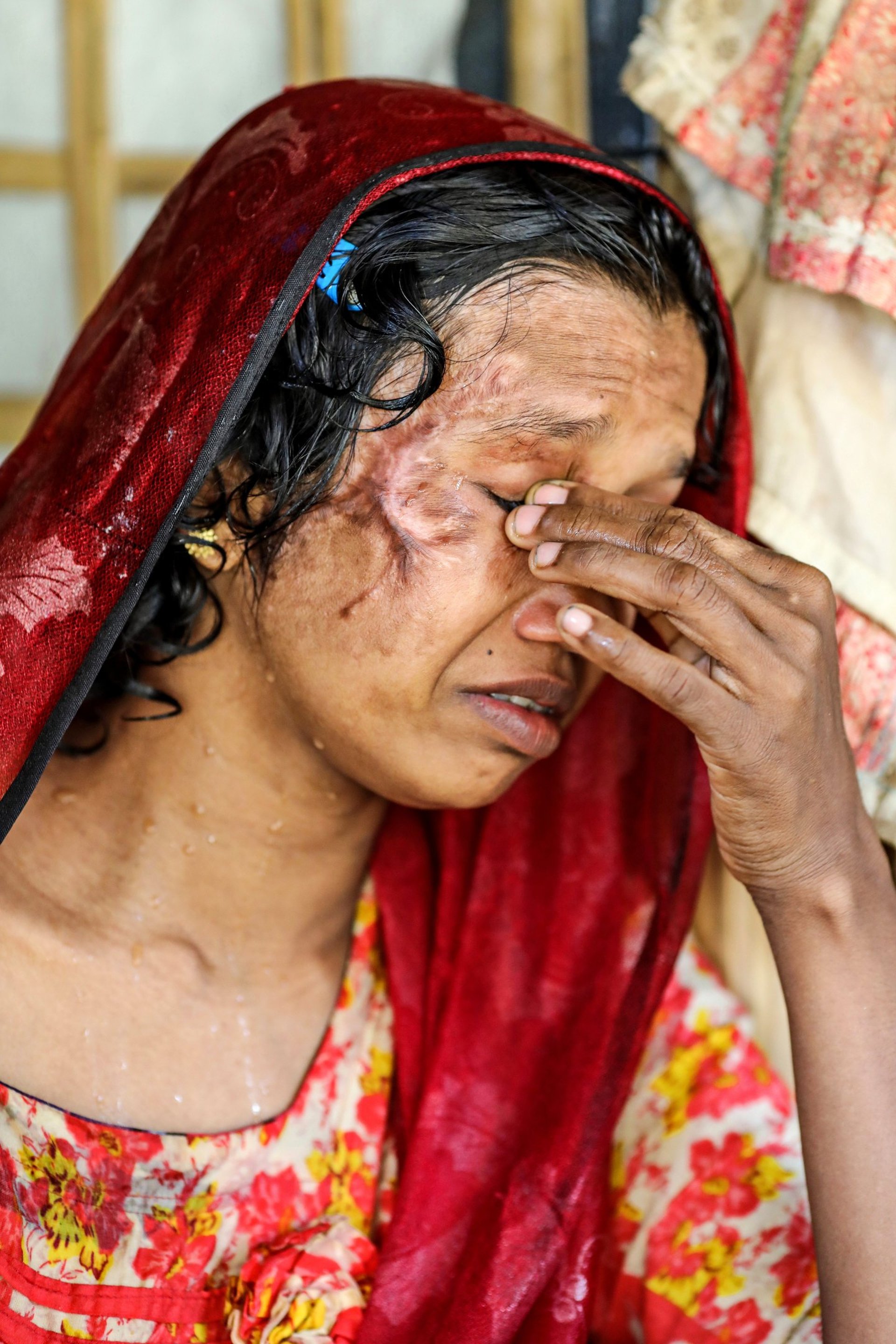
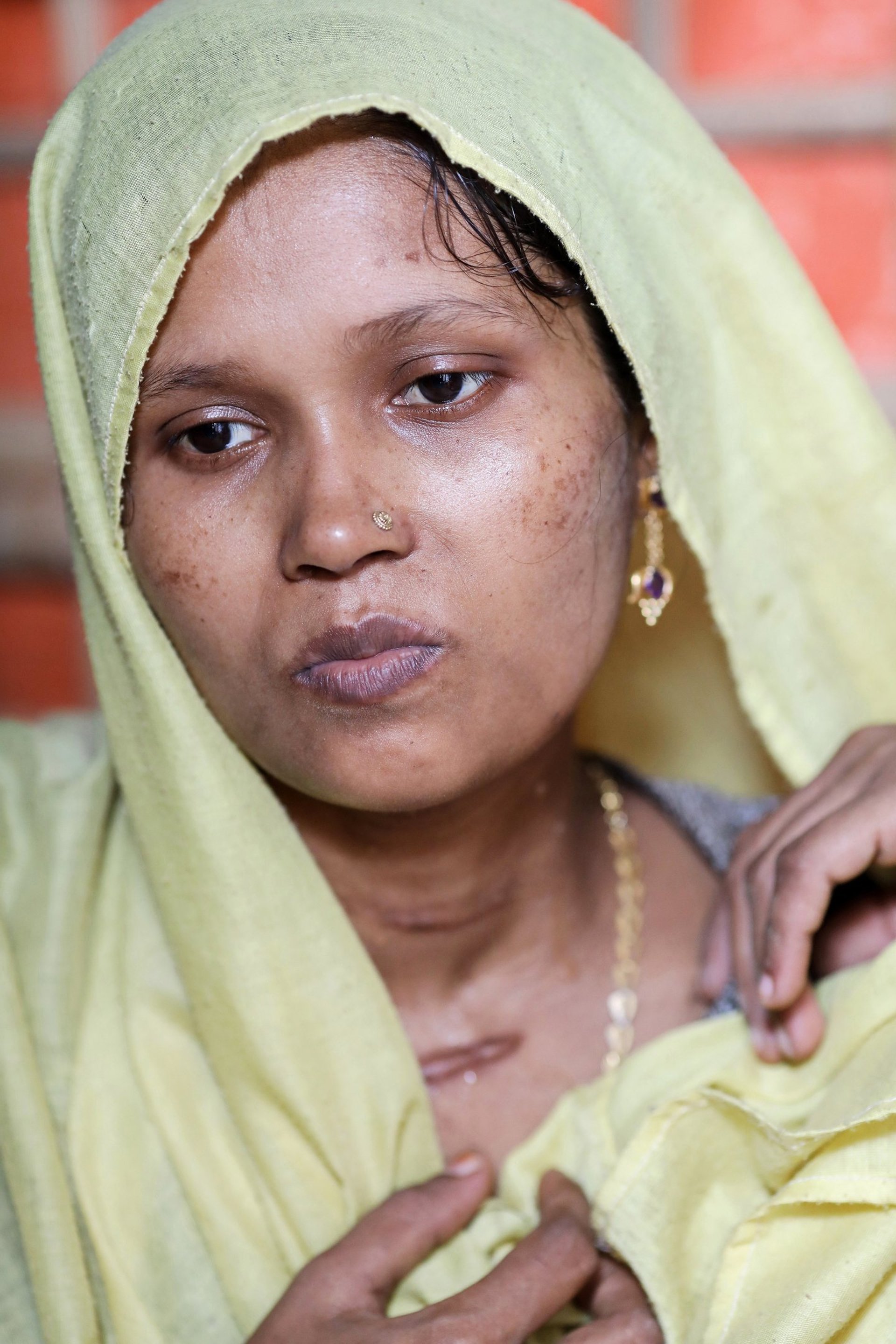
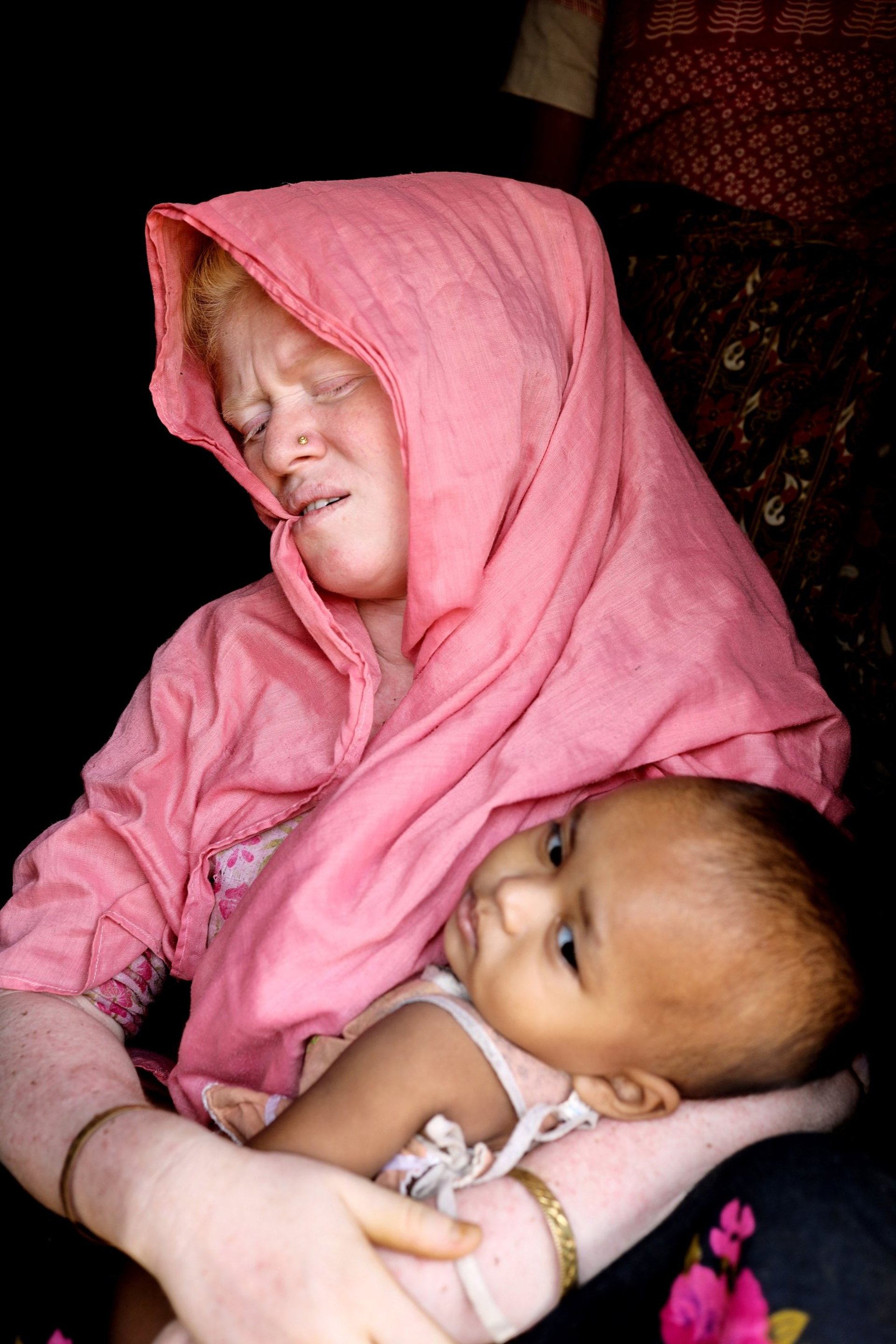
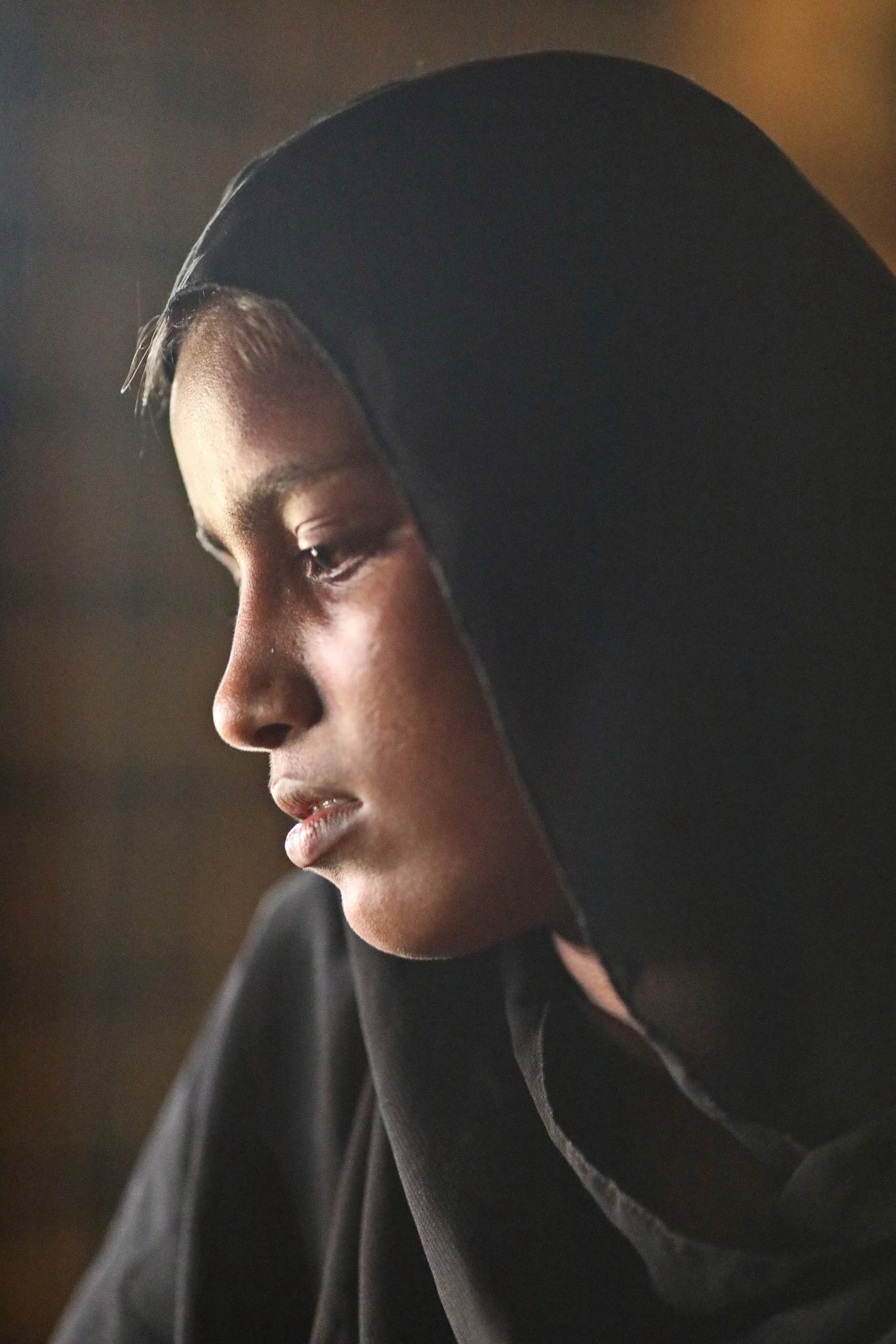
This project explores the darkness embedded in our very existence and the destructive influence of social conflicts on women, while honoring their immense strength and their thirst for life, sublimated in their will to survive. By revealing human evil through the stories of victims, The Power of Darkness opens up important topics within the theory of war, such as rape as a weapon of war, violence specifically targeting women, and the post-conflict conditions that often push victims into an even deeper inferno. Sexual violence is certainly among the most horrific and heinous forms of violence, leaving indelible scars and deep trauma on its victims.
Rape as a weapon of war is a crime against humanity and must be treated as such. Women who have been raped are often stigmatized as “dirty” and undesirable. Traumatized and disgraced, they find it extremely difficult to receive support, as they are frequently humiliated and rejected even by their own families. Because such acts are often widespread and systematic, entire communities are destroyed, and the very foundations of societies collapse before our eyes.
Women in conflict zones struggle with both psychological and physical trauma. Post-traumatic stress disorder requires serious, long-term treatment—not only for individual survivors, but for entire societies. In this way, societies are weakened and less able to resist conflict, as their very foundations are being eroded. Judith Gardner notes that women are often systematically raped in order to bear children who will belong to the perpetrator’s group. In traditional Somali society, for example, a raped woman is considered socially dead. Women often do not trust the judiciary or the state due to the pervasive lawlessness in conflict zones; therefore, most victims remain silent.