The last Presidential Elections
Kabul, Afghanistan, 2019
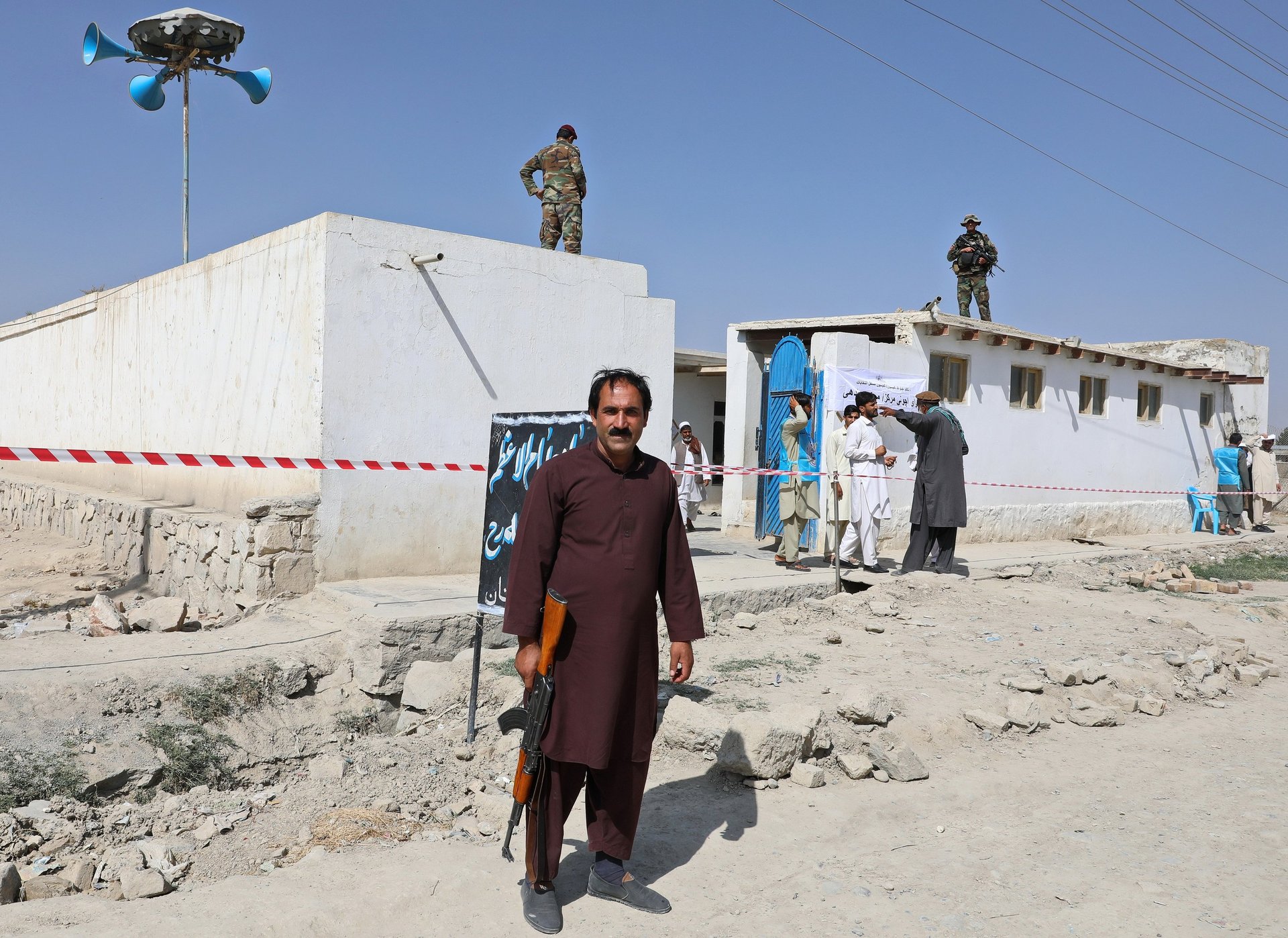
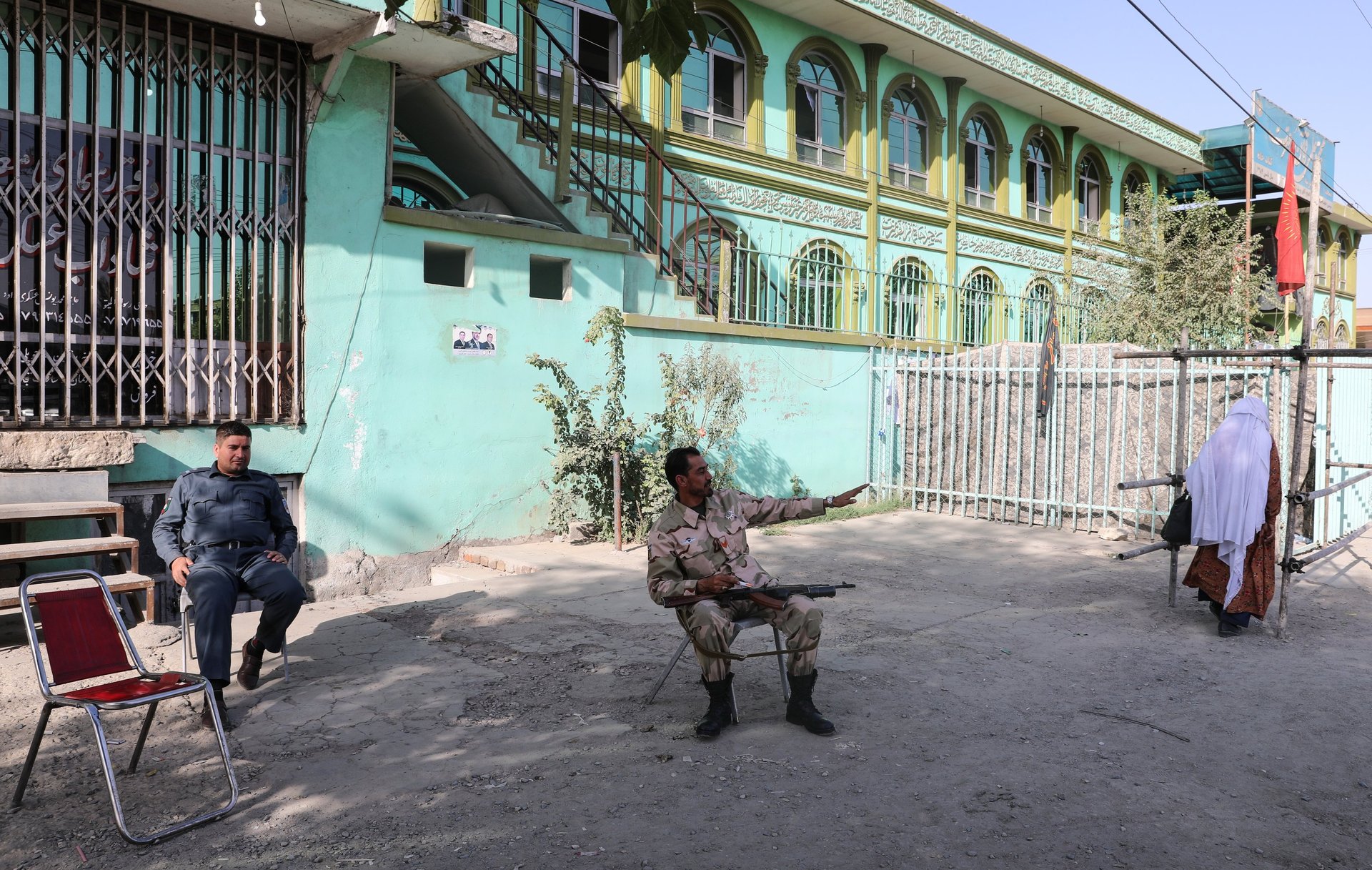
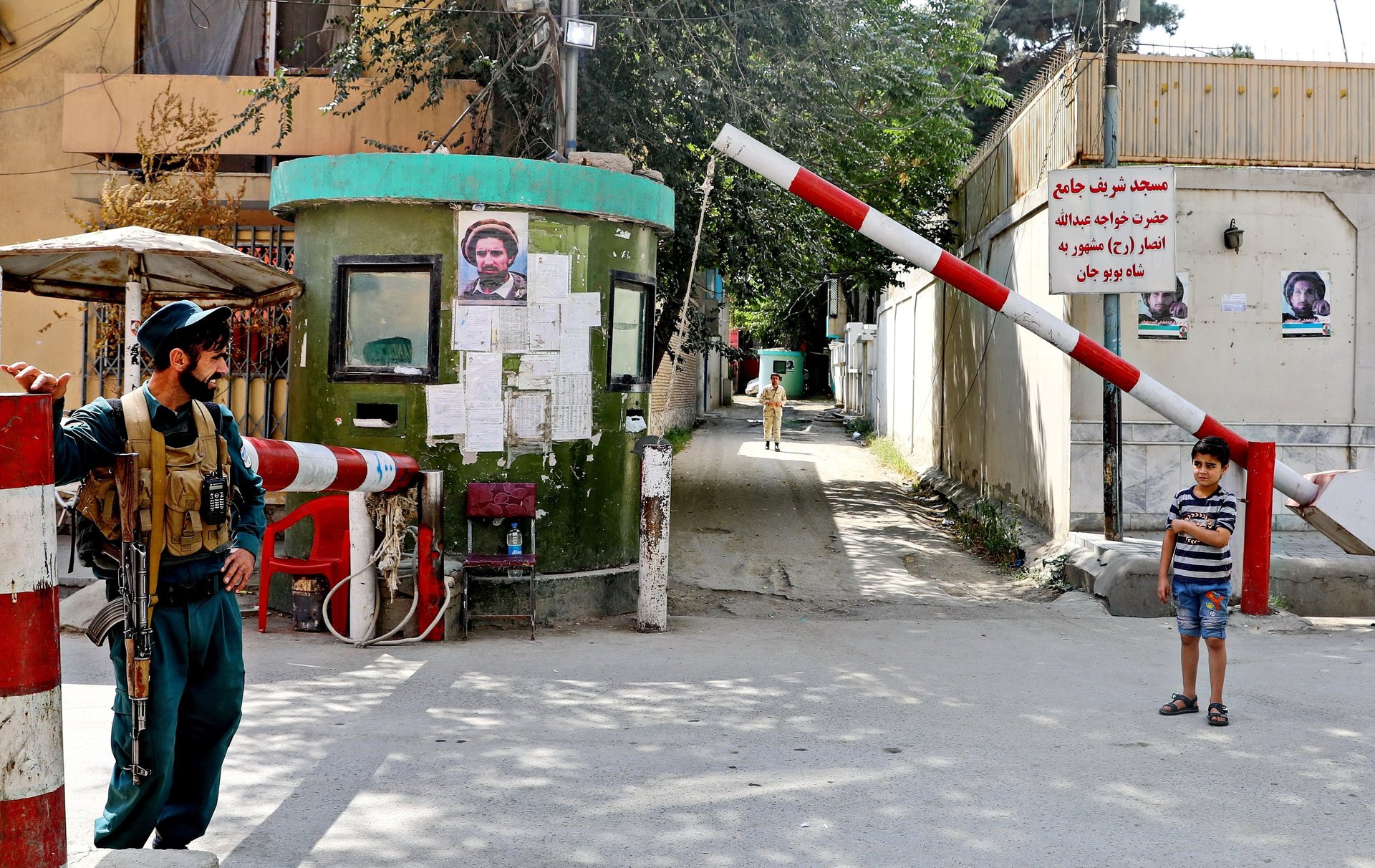
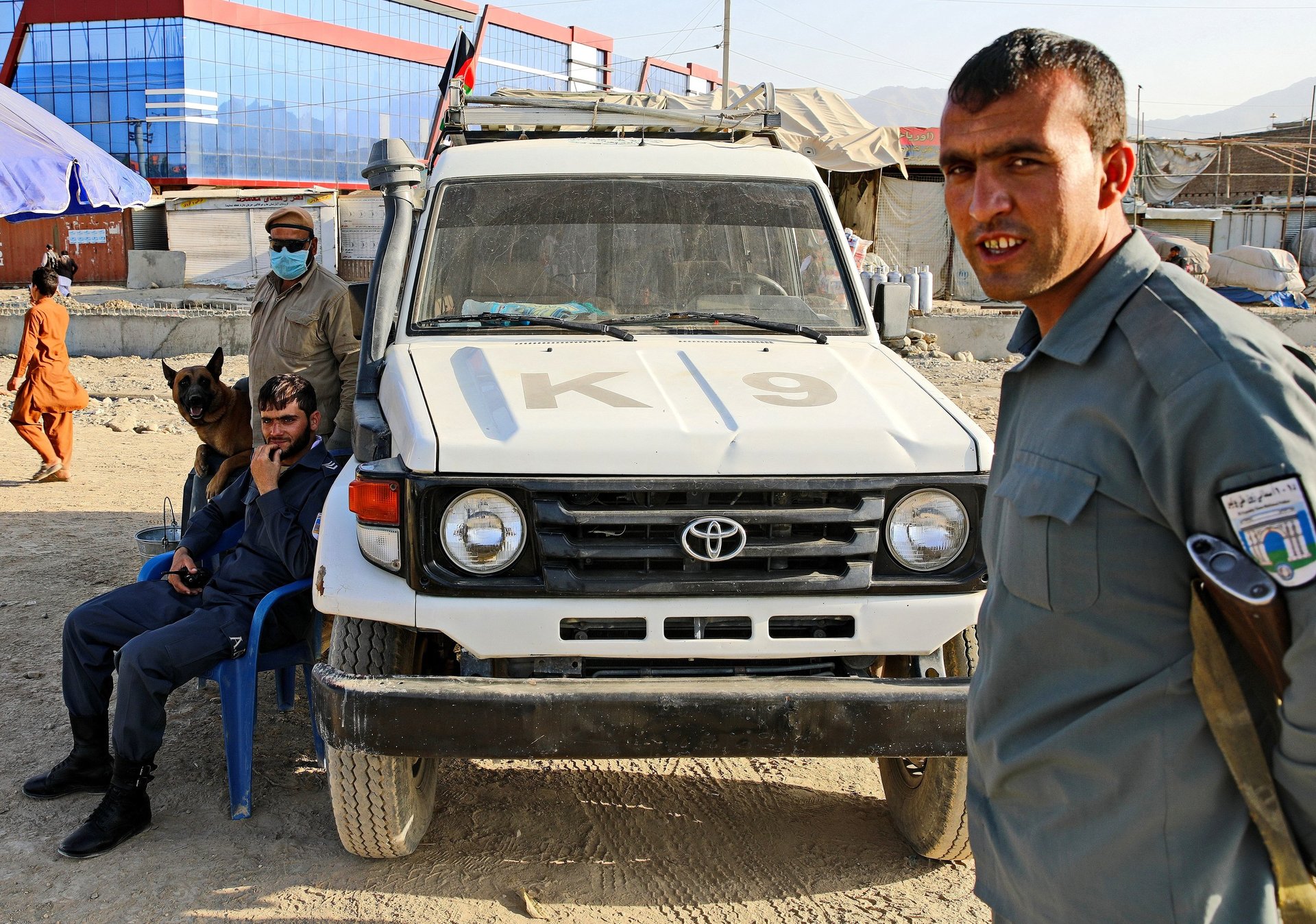
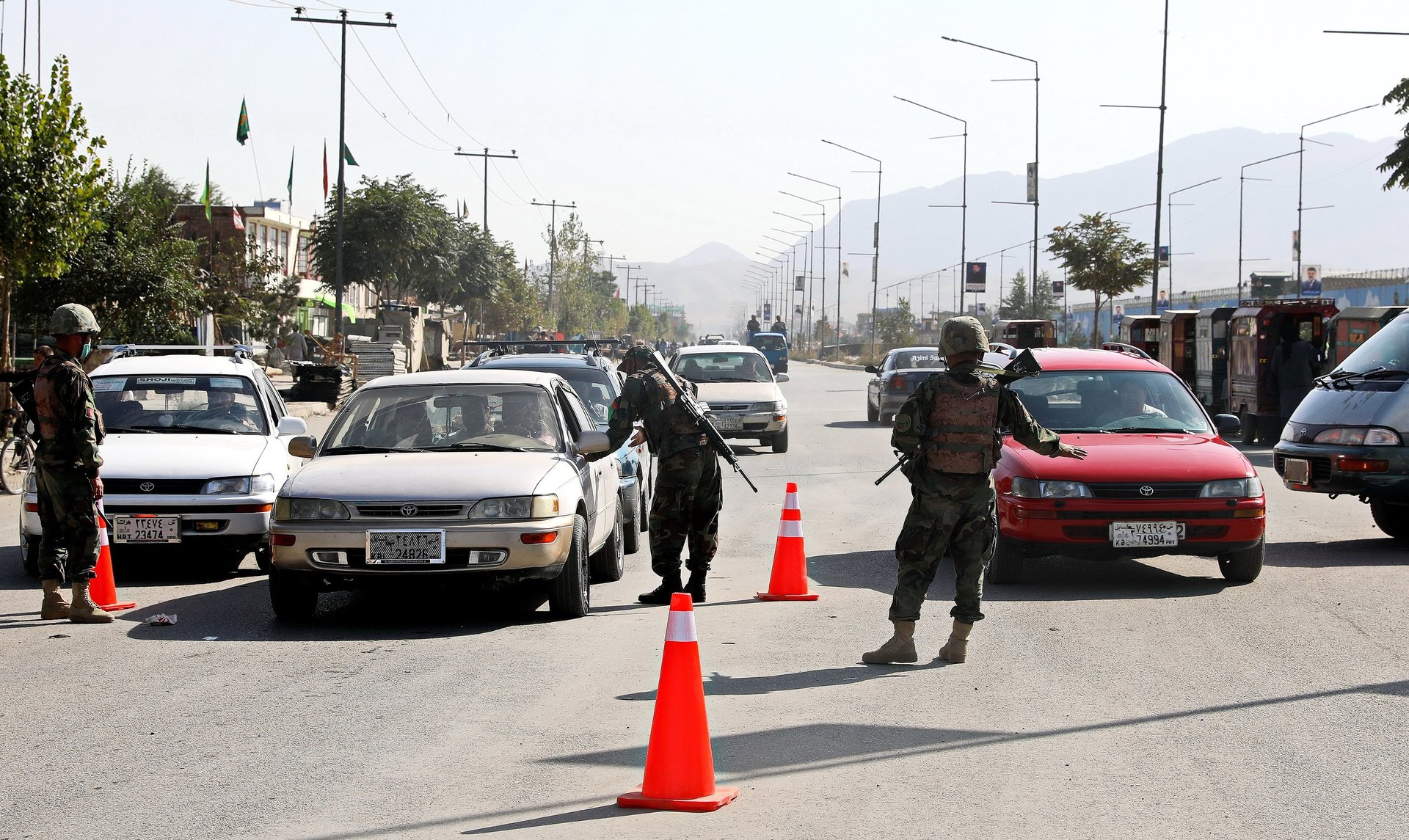
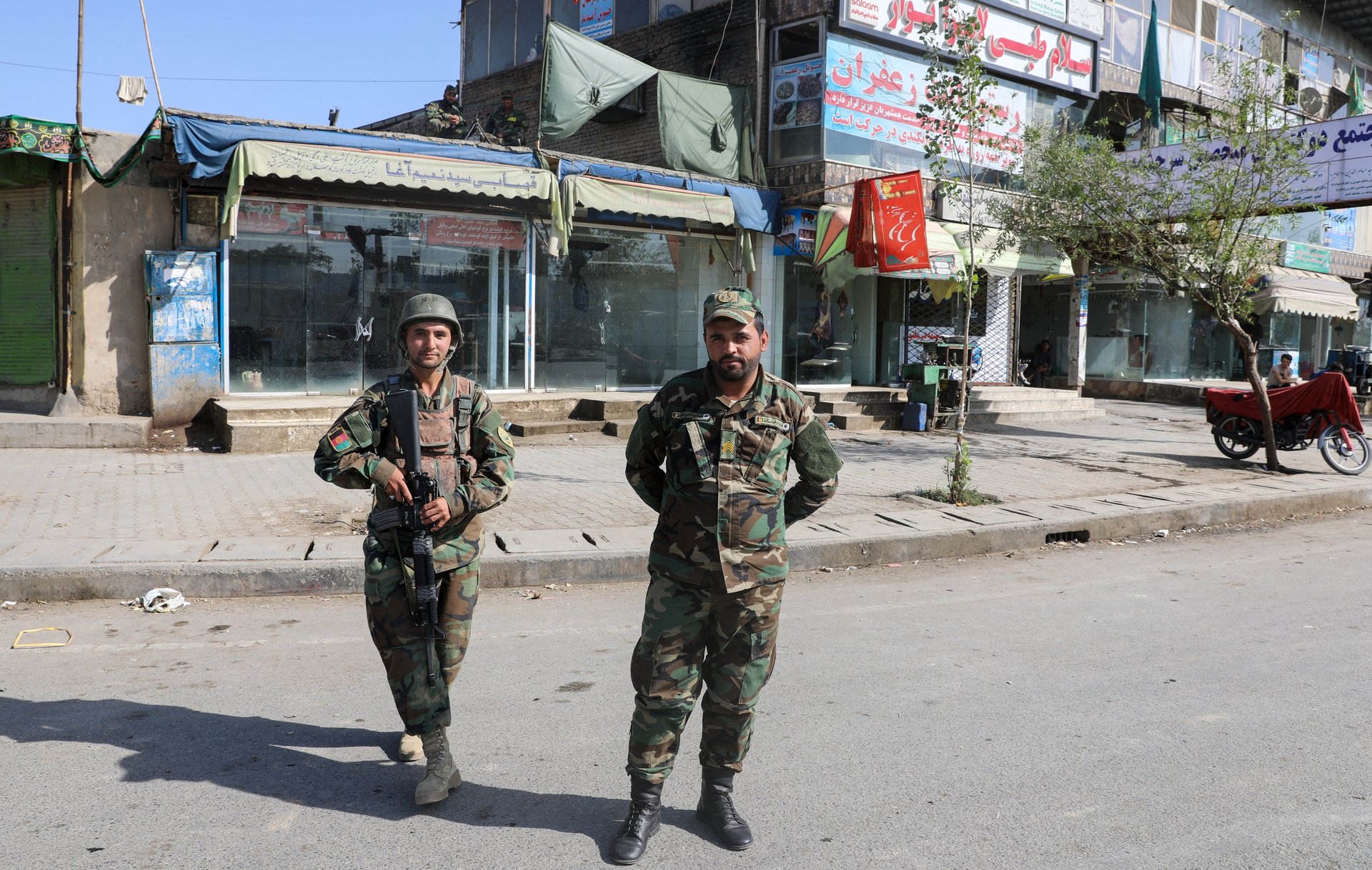
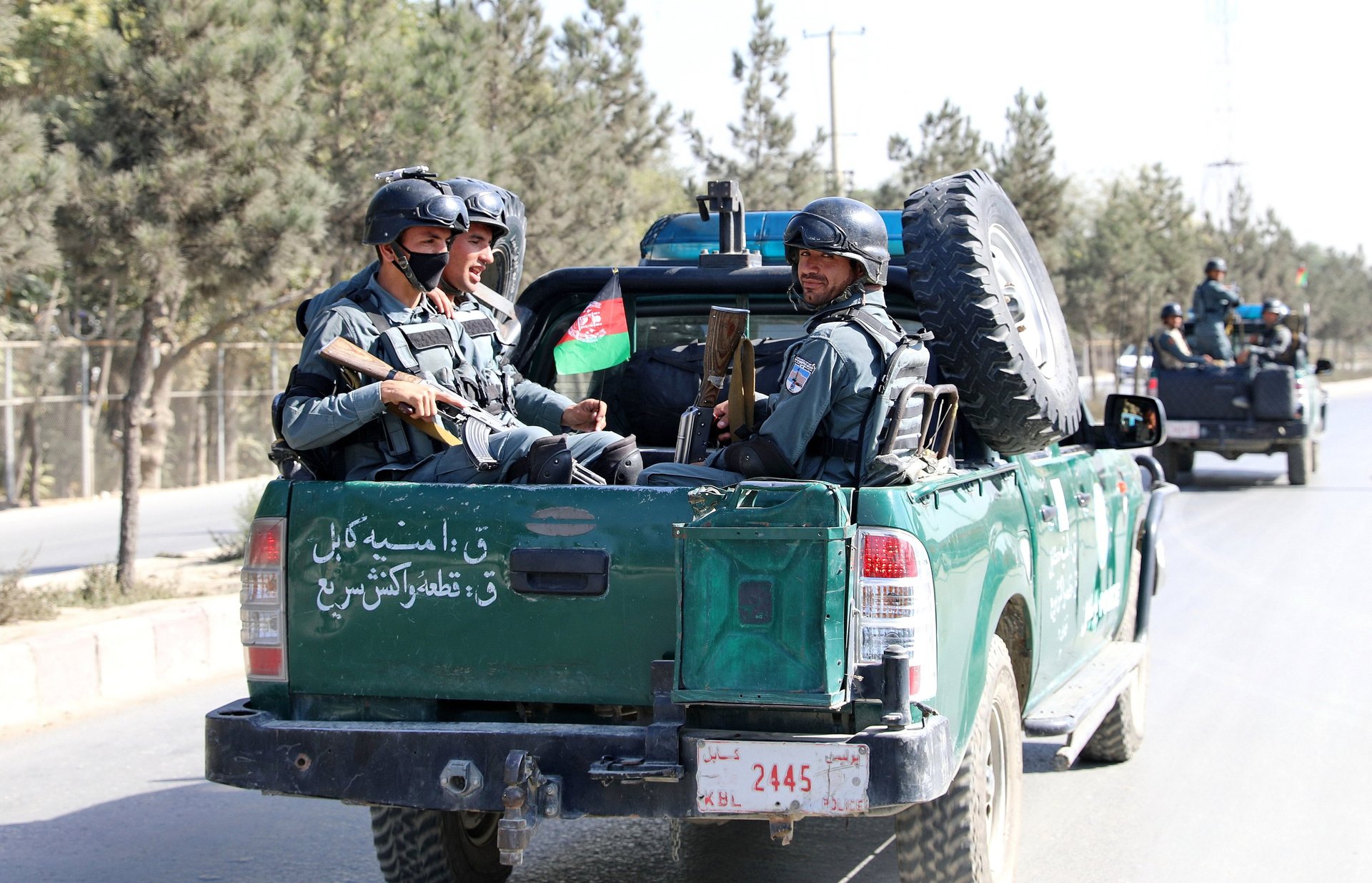
In September 2019, Afghanistan held its fourth presidential election since 2001, under the shadow of ongoing conflict and persistent insecurity. Across cities and rural areas, voters moved through layers of control — security checkpoints, armed patrols, and the visible presence of a state under pressure.
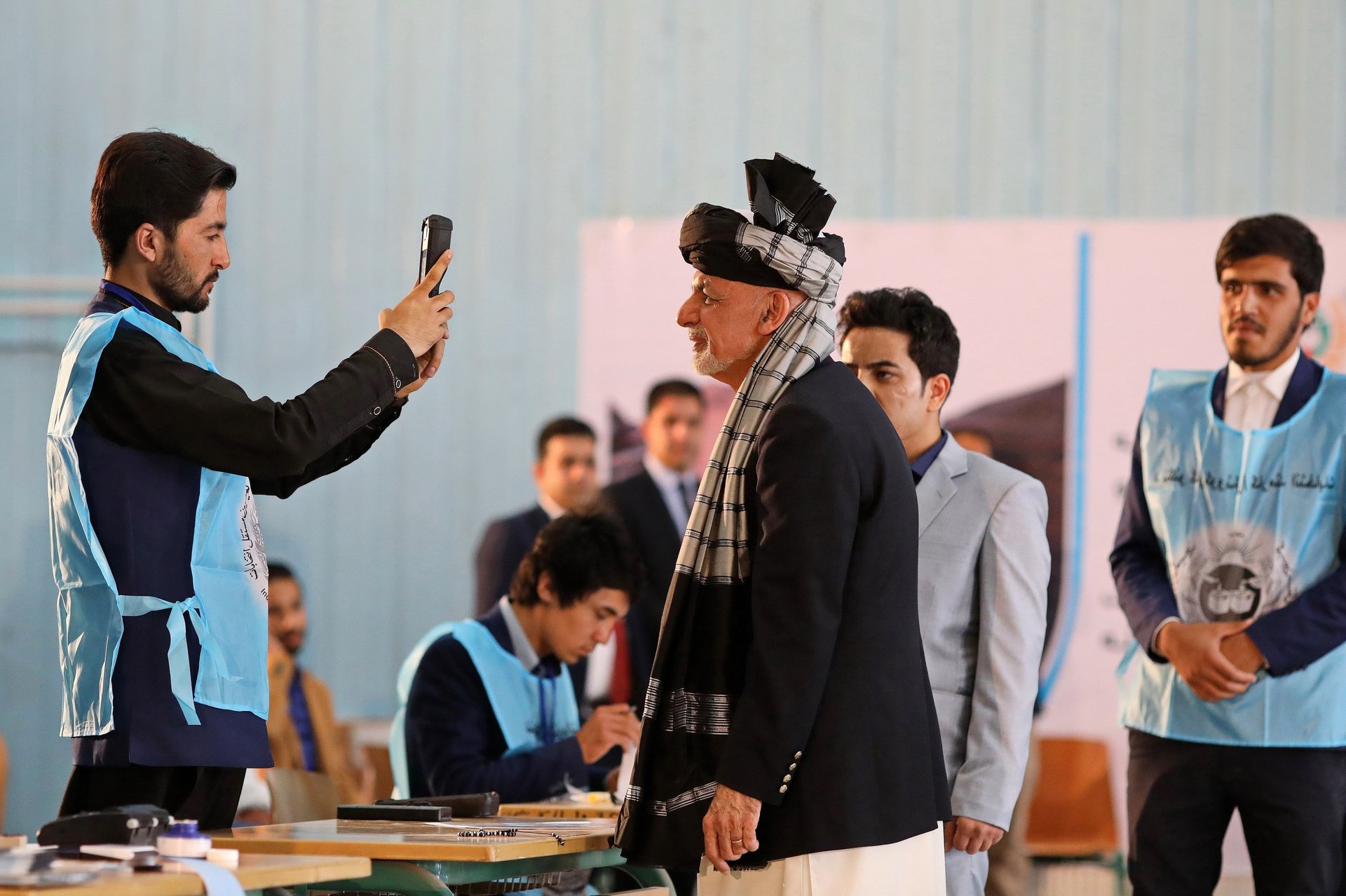
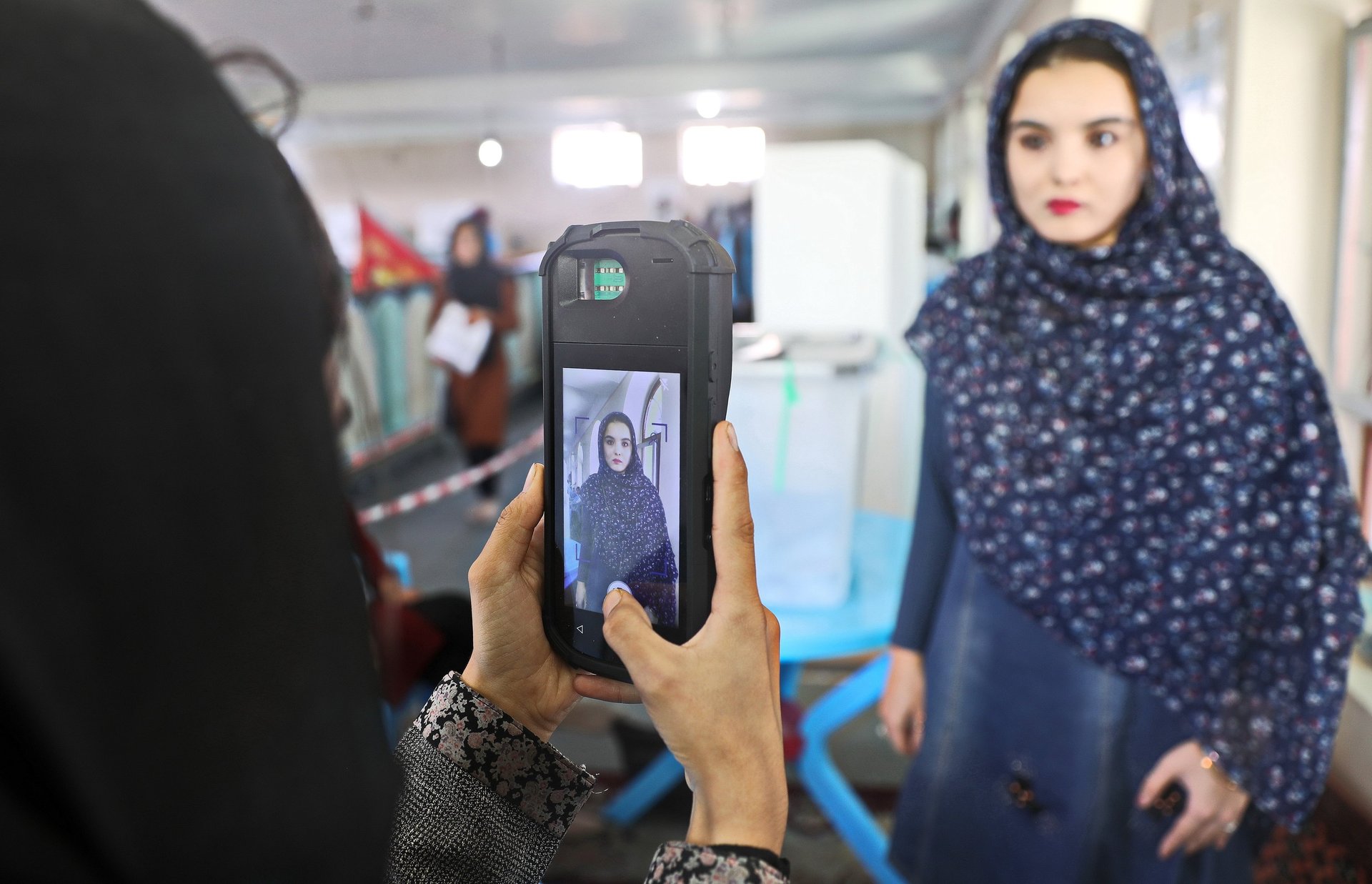
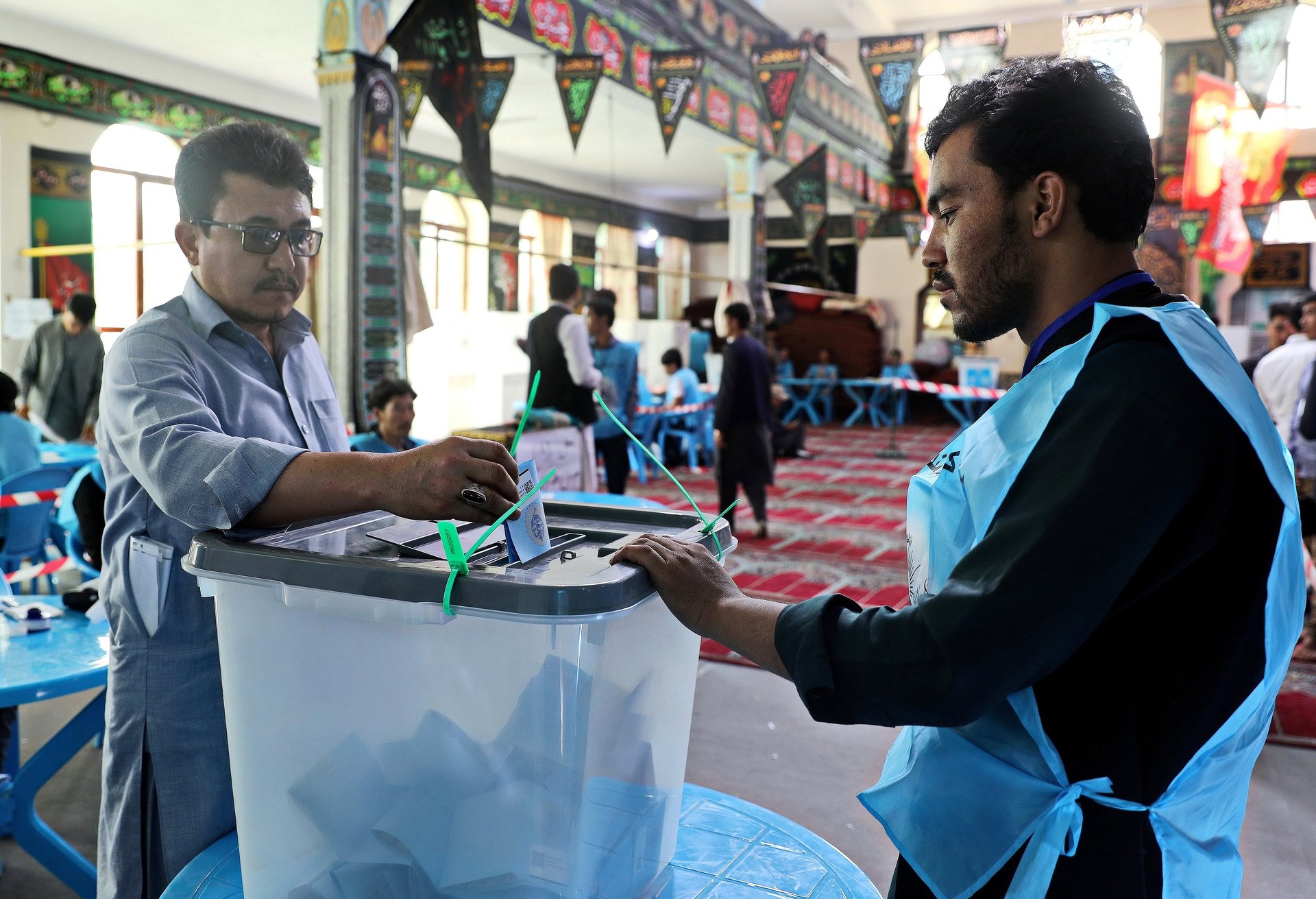
This body of work documents the electoral process as it unfolded on the ground: polling stations opening under tight security, voters marking ballots, election workers handling materials, and the long, uncertain process of counting and verification. Participation was shaped by both determination and constraint, with turnout affected by security concerns, logistical challenges, and public skepticism.
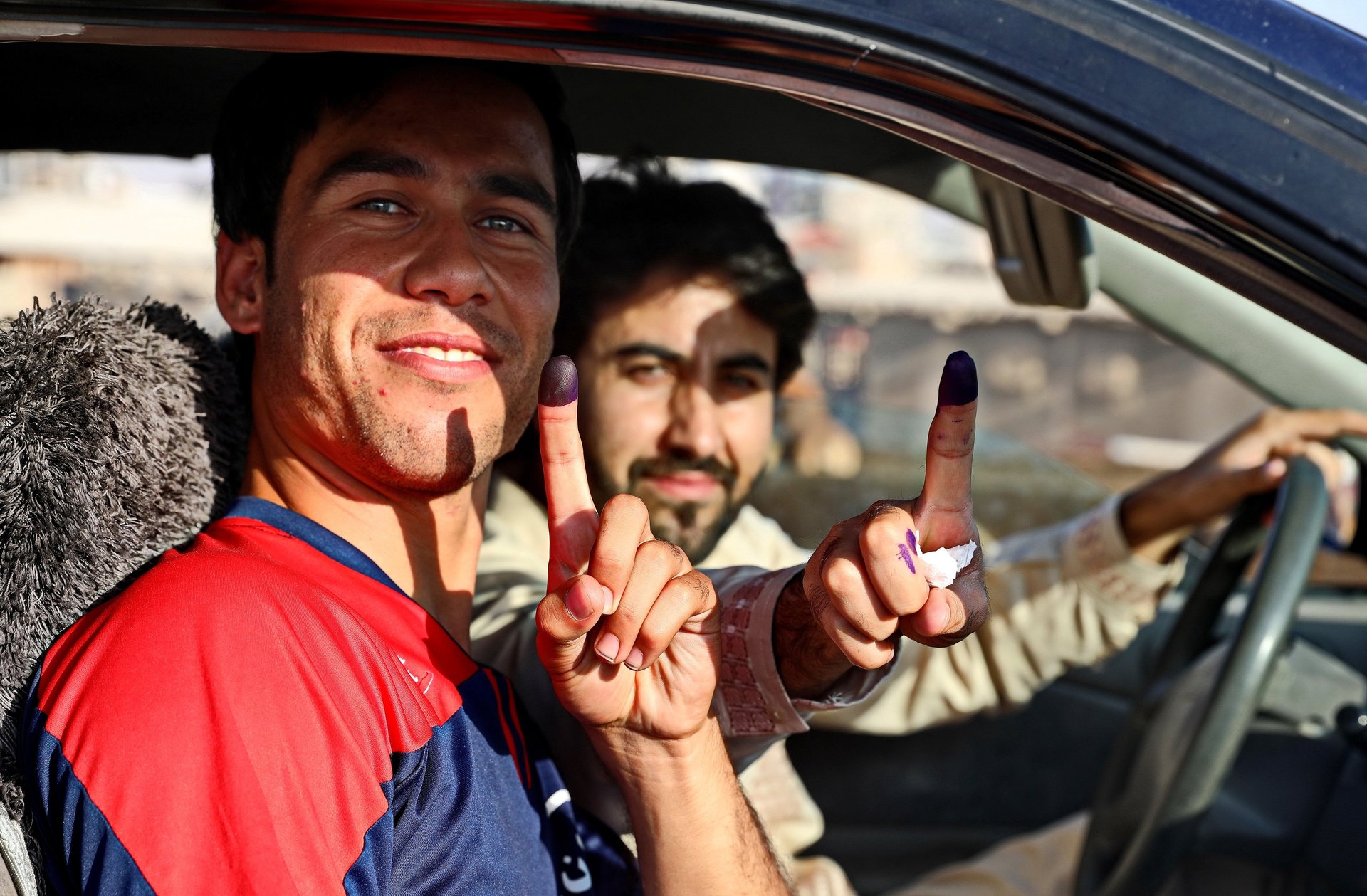
The images focus on the tension between democratic procedure and lived reality. Ink-stained fingers, ballot boxes, and official documentation stand alongside barriers, guarded entrances, and empty or subdued polling sites. In some areas, the act of voting carried visible risk; in others, absence became its own form of expression.
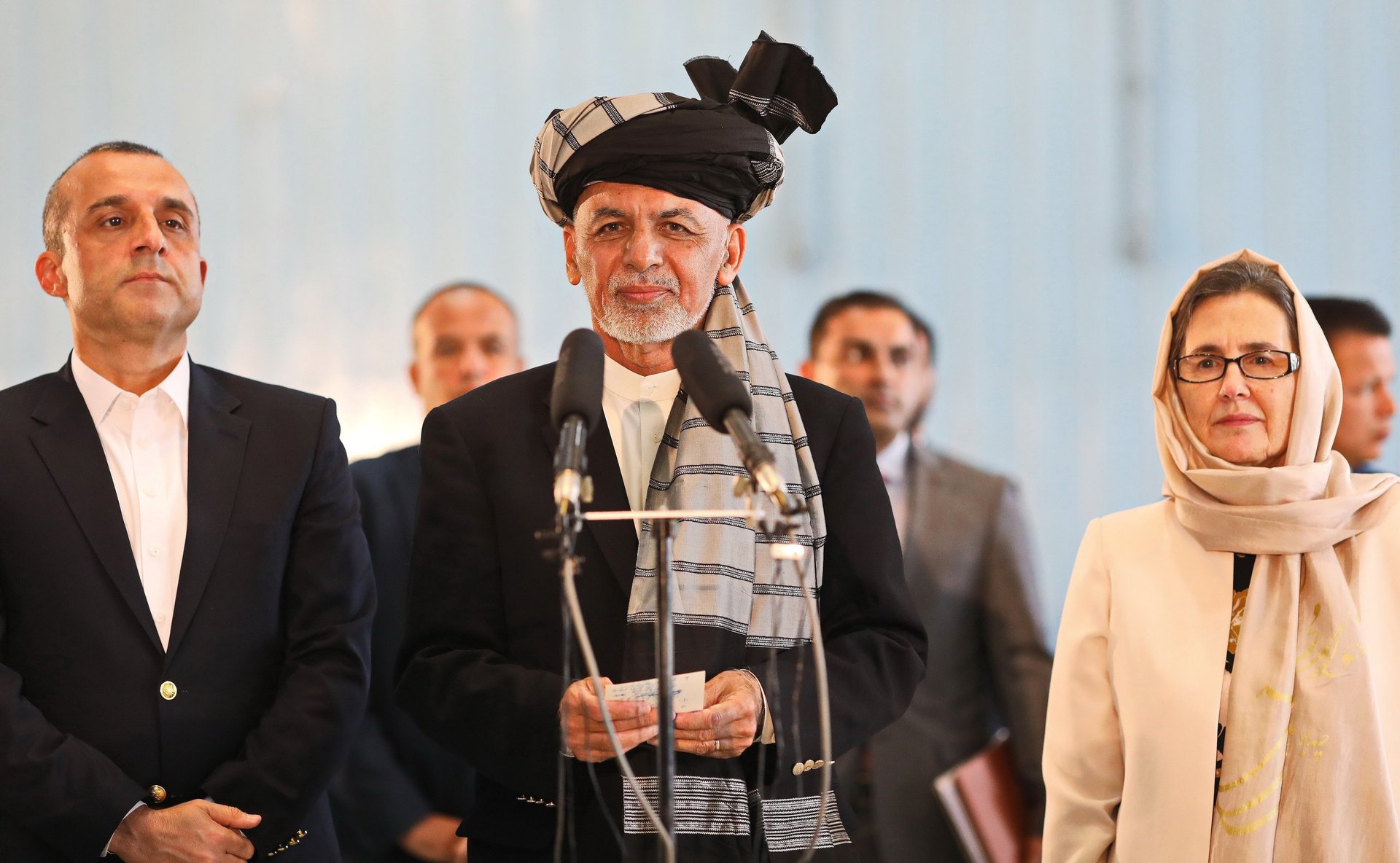
Administered by the Independent Election Commission, the process faced delays and technical issues, and the final results — eventually declaring Ashraf Ghani as the winner — were contested by rival candidate Abdullah Abdullah. The prolonged dispute underscored the fragility of institutional trust.
Rather than presenting the election as a singular event, this project observes it as a layered process — one in which participation, security, and legitimacy intersect. The photographs examine how democratic rituals persist within instability, and how individuals navigate the space between civic duty and uncertainty.