Cox’s Bazar
Rohingya Refugee Settlements, Bangladesh, 2019
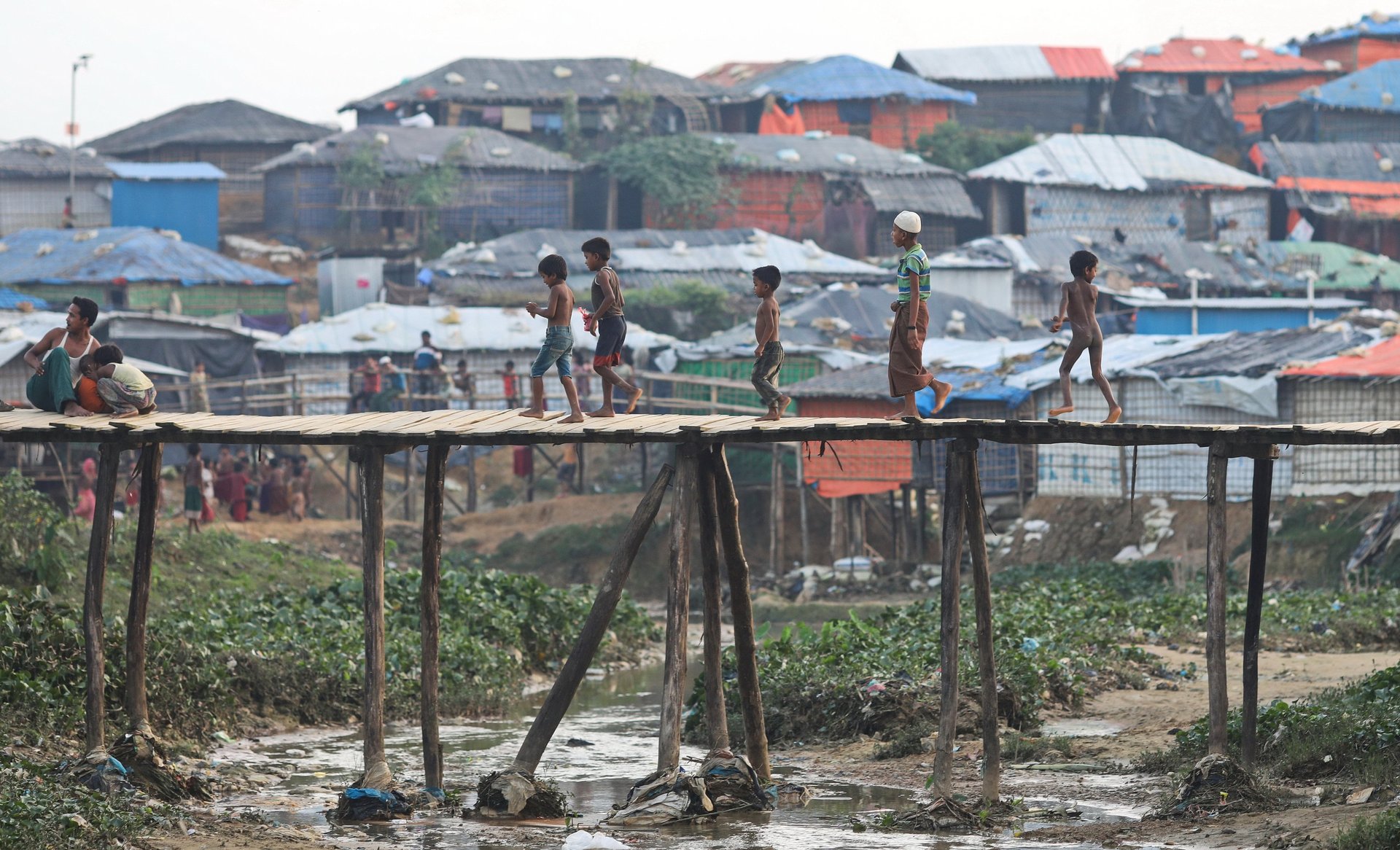
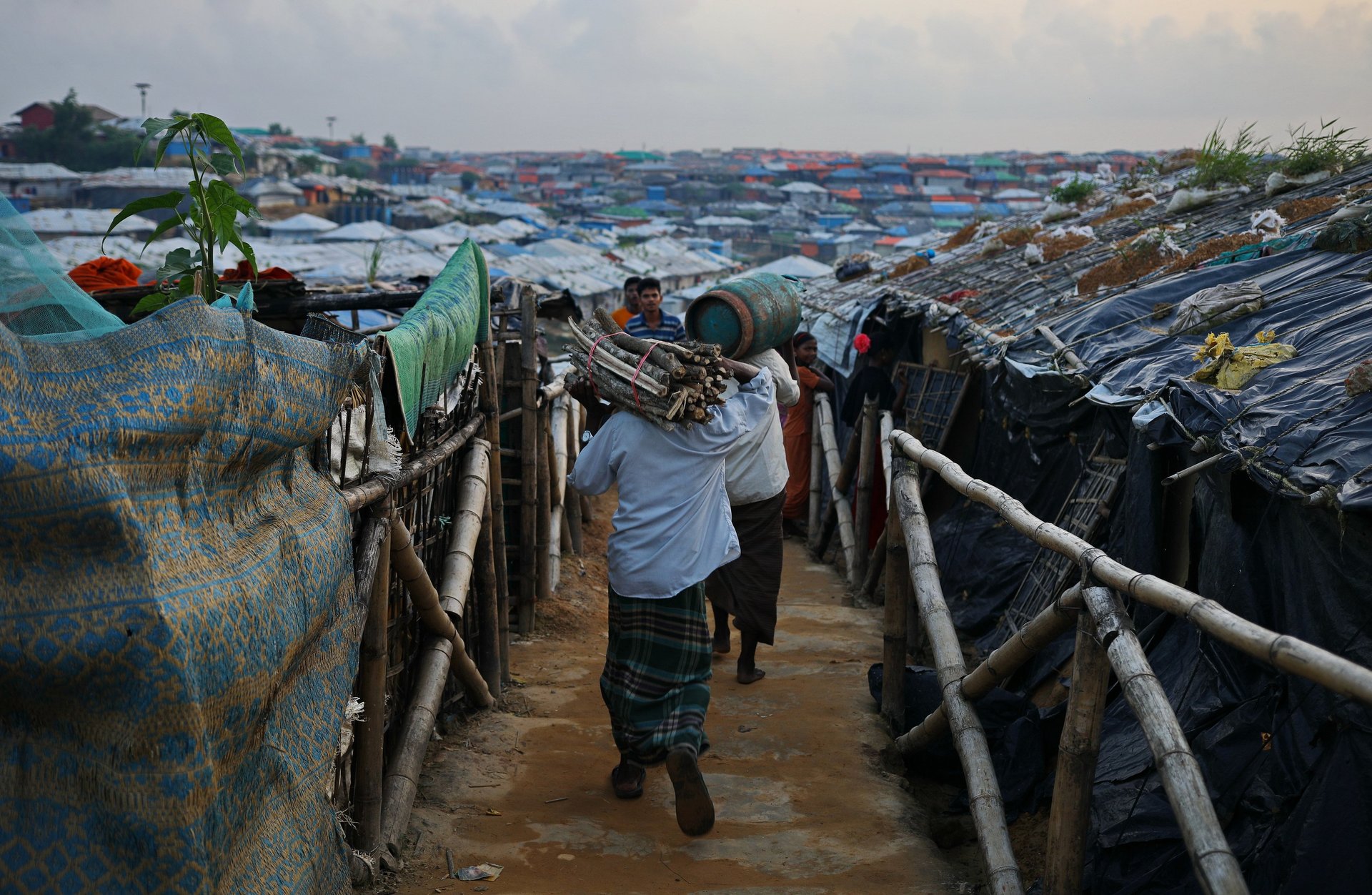
In 2019, the settlements of Kutupalong Refugee Camp and surrounding sites in Cox's Bazar formed the largest concentration of displaced people in the world. Following waves of violence in Myanmar beginning in 2017, more than 700,000 Rohingya crossed the border into Bangladesh, where temporary shelters expanded into a vast, densely populated terrain.
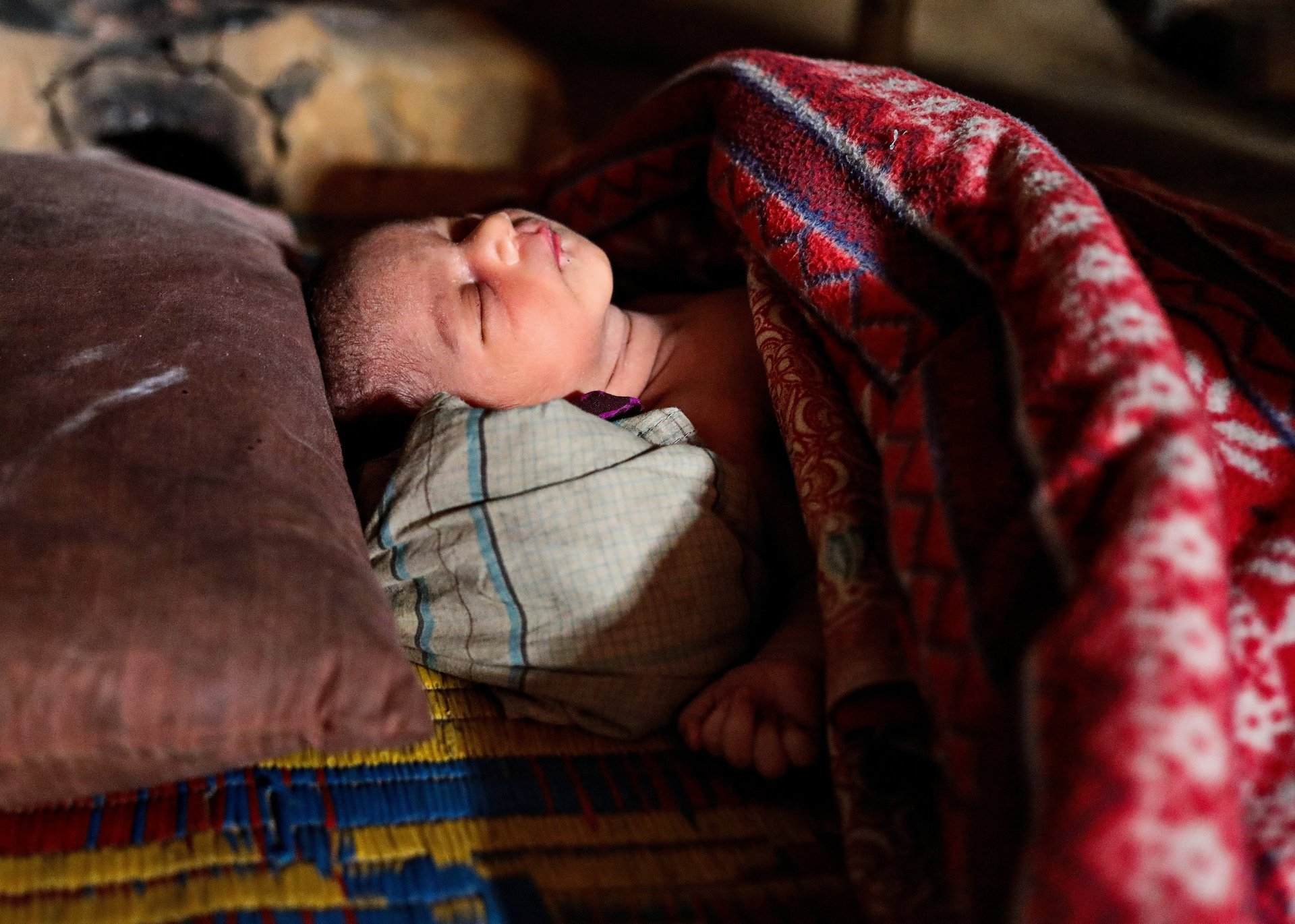
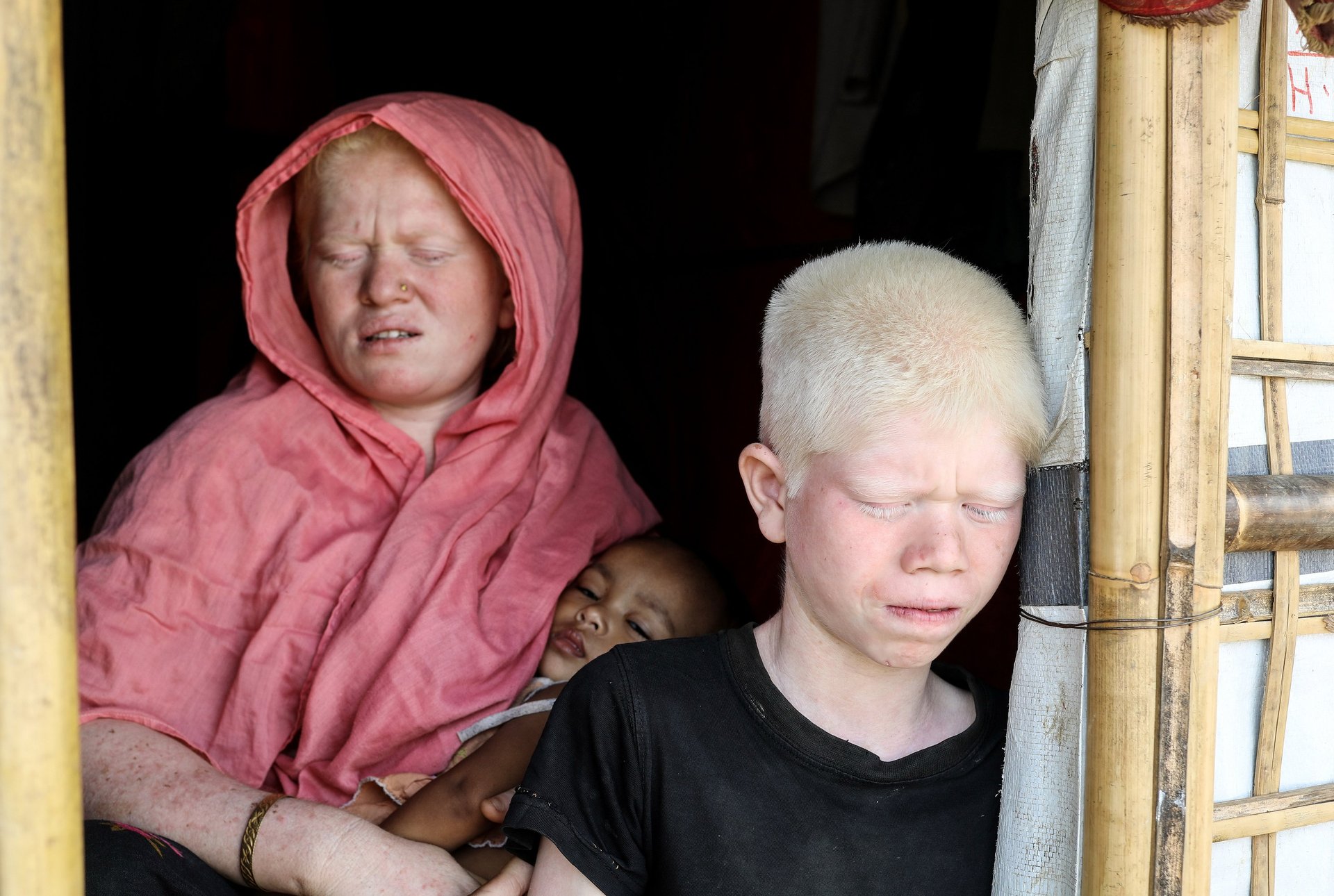
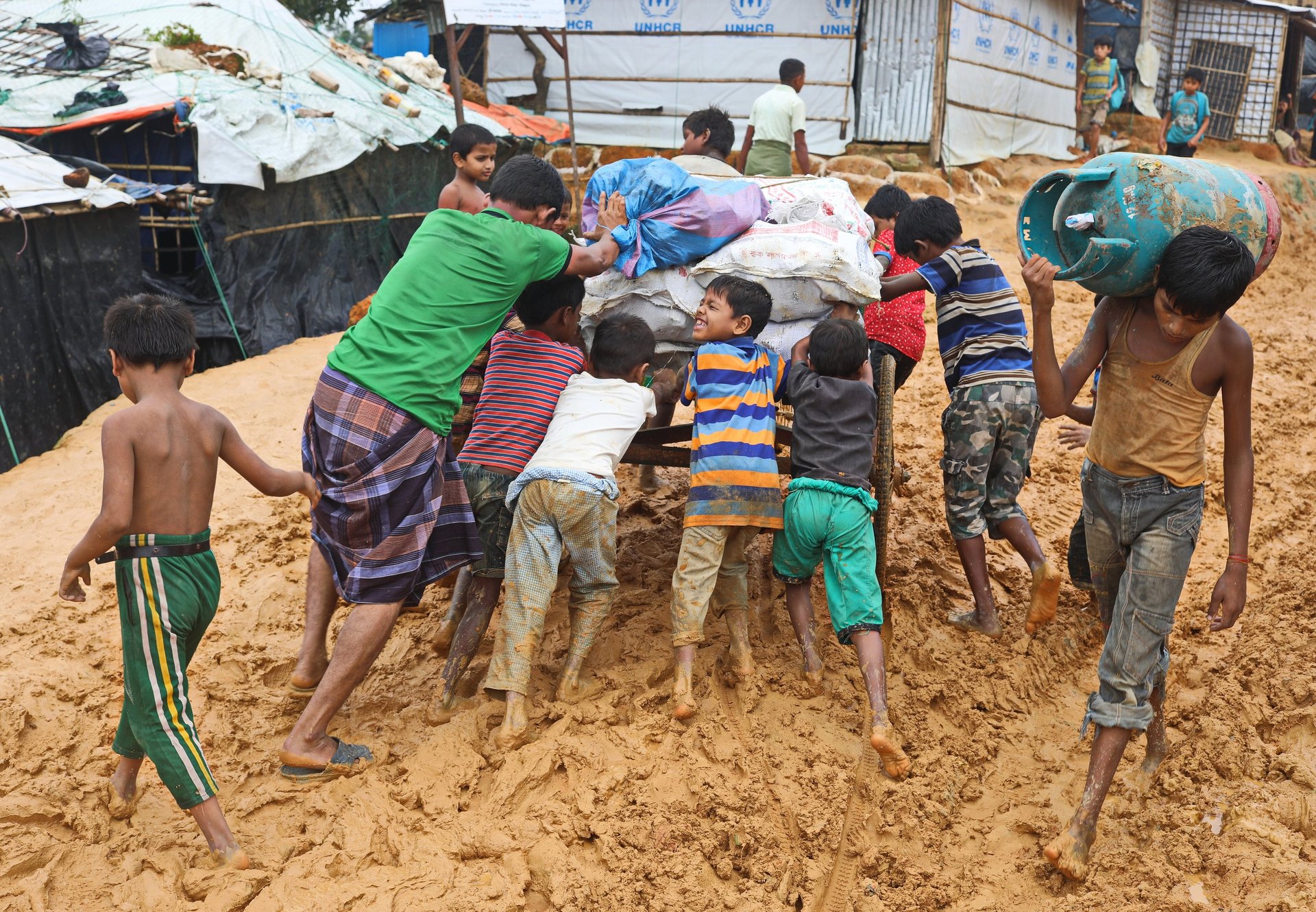
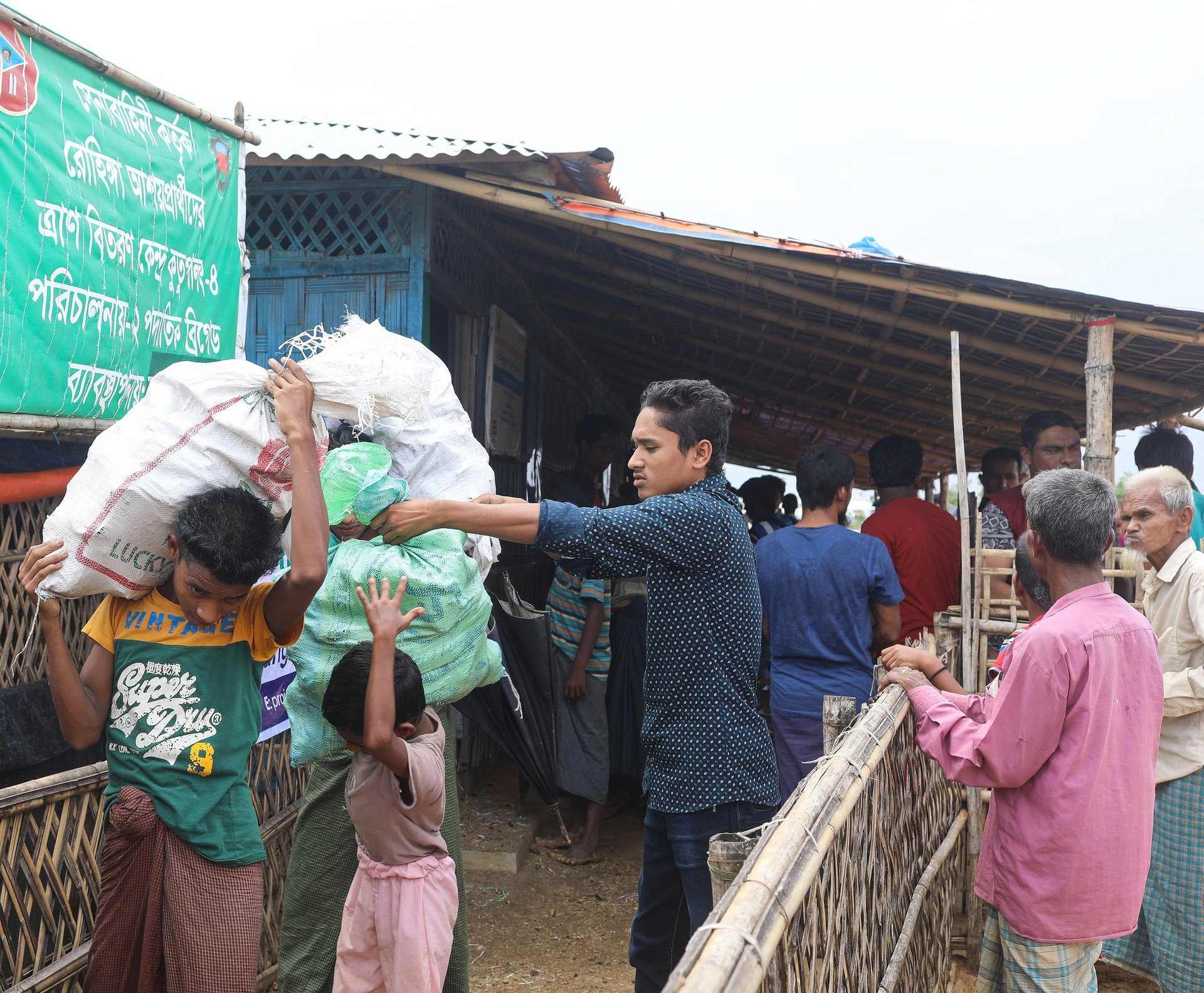
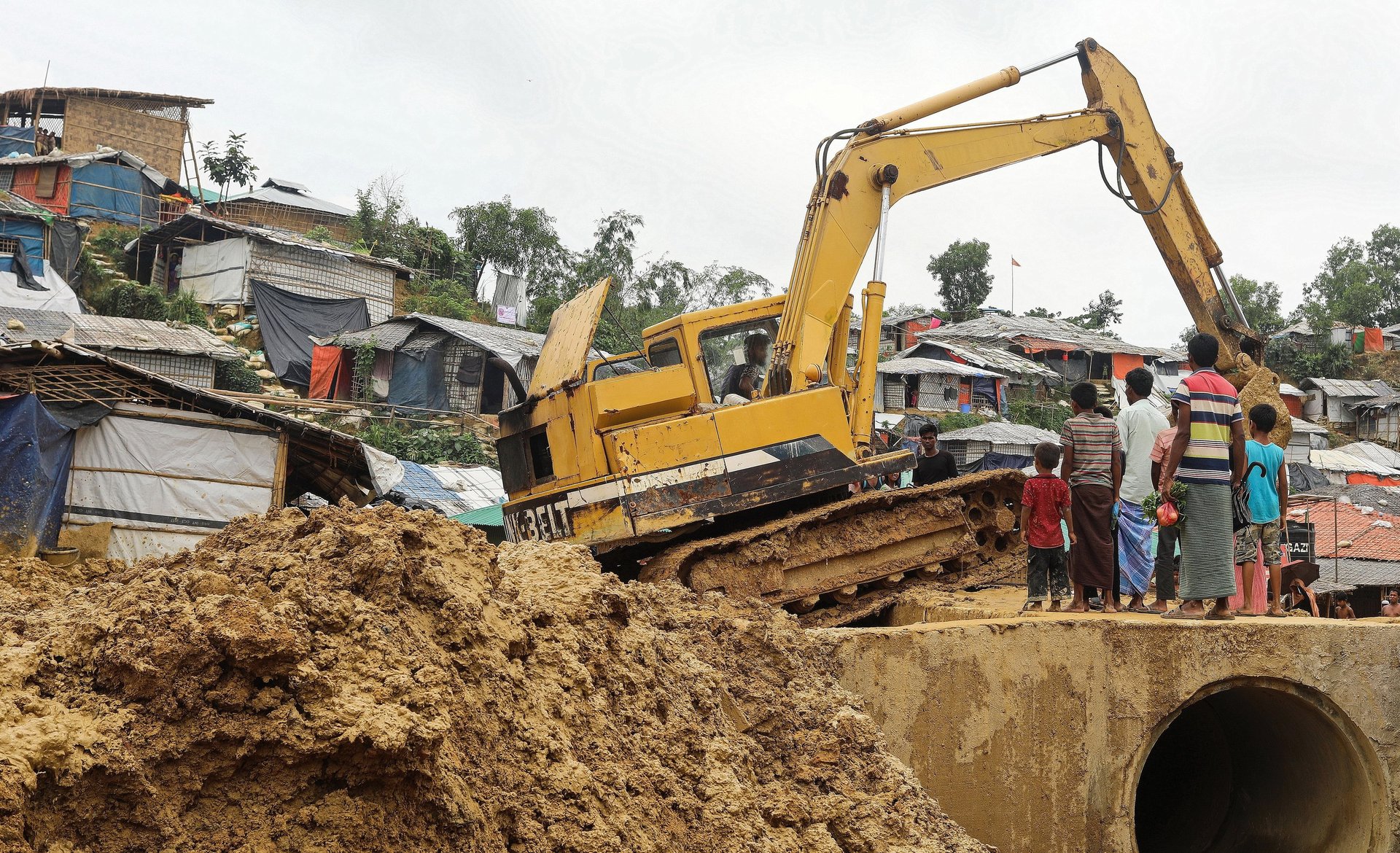
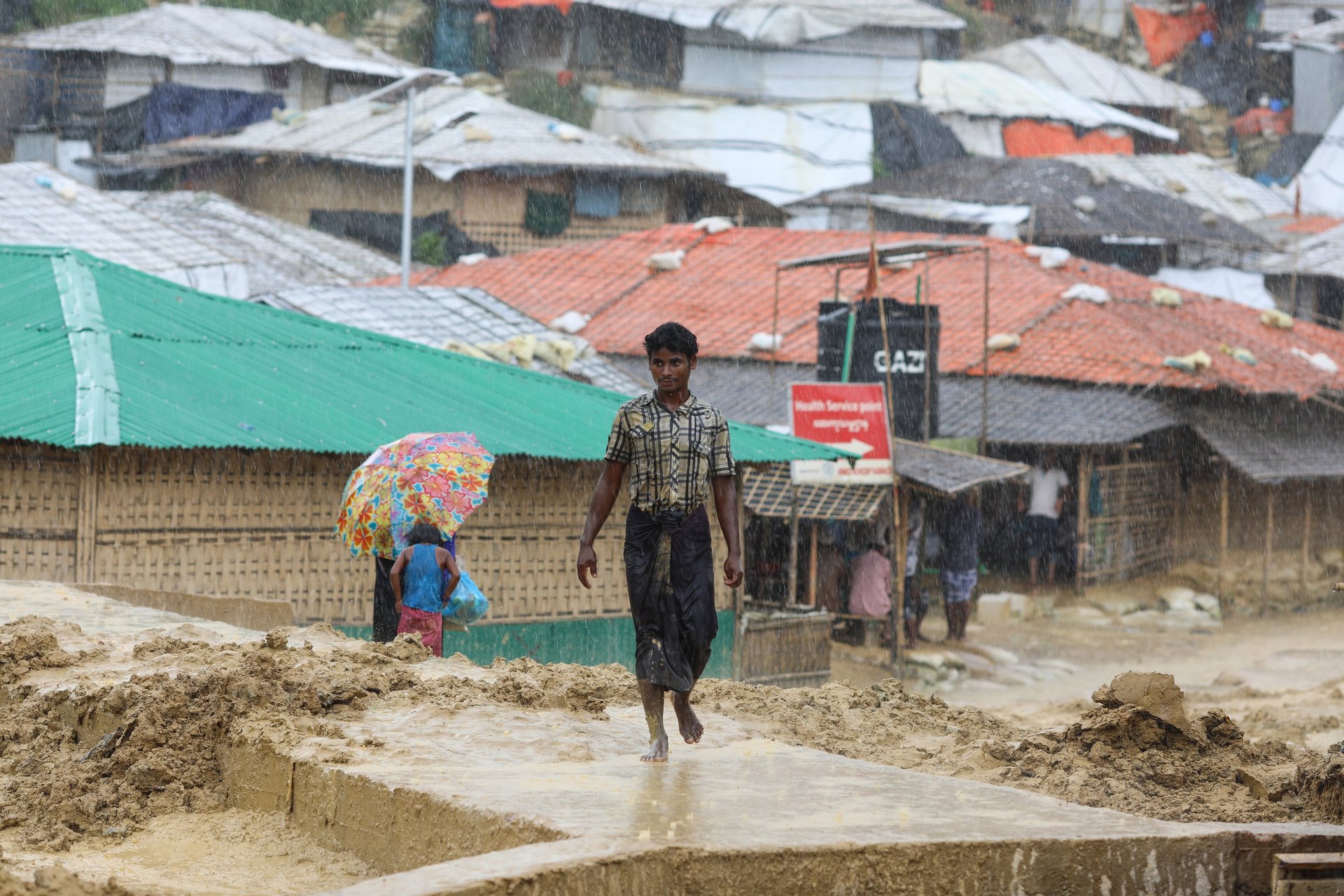
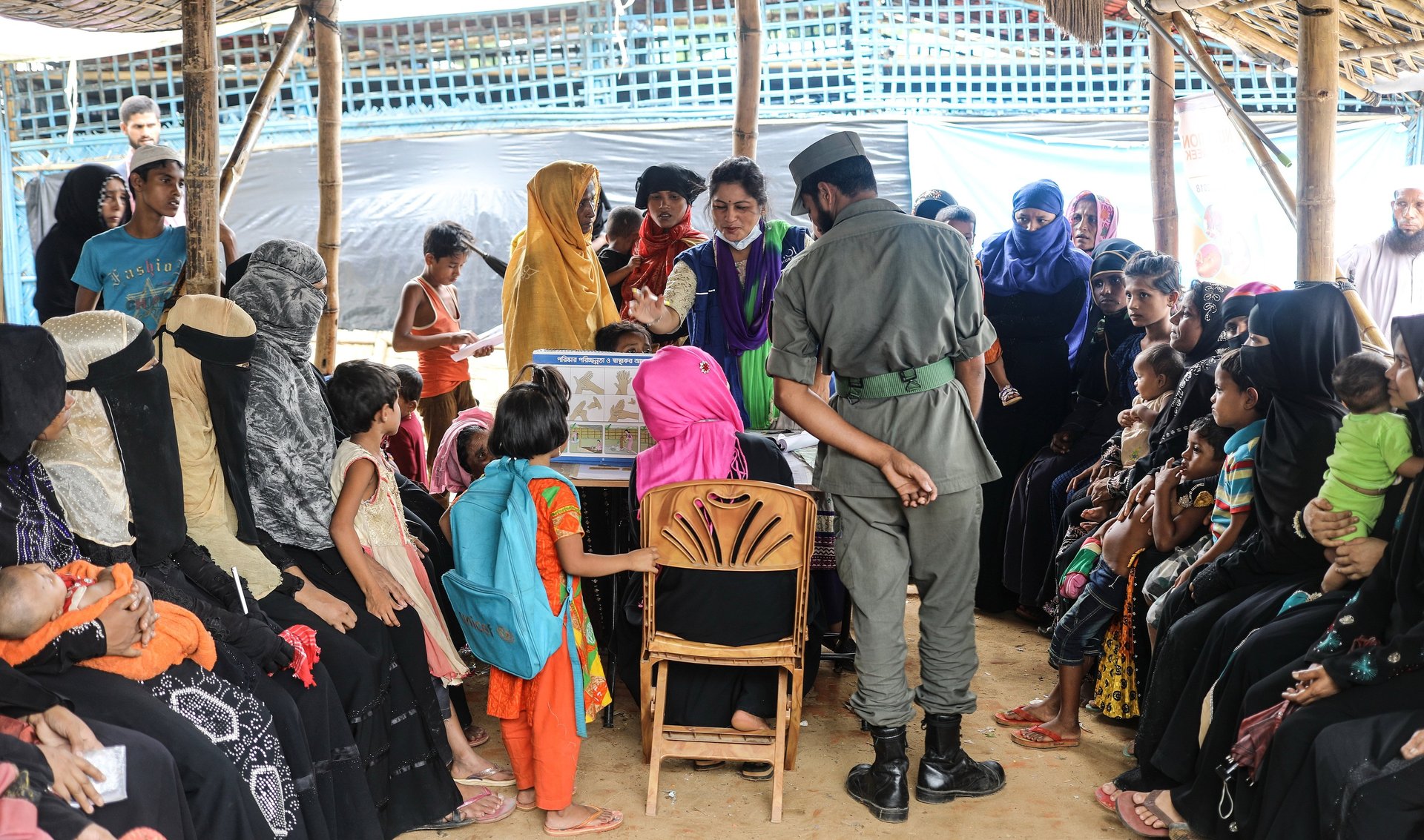
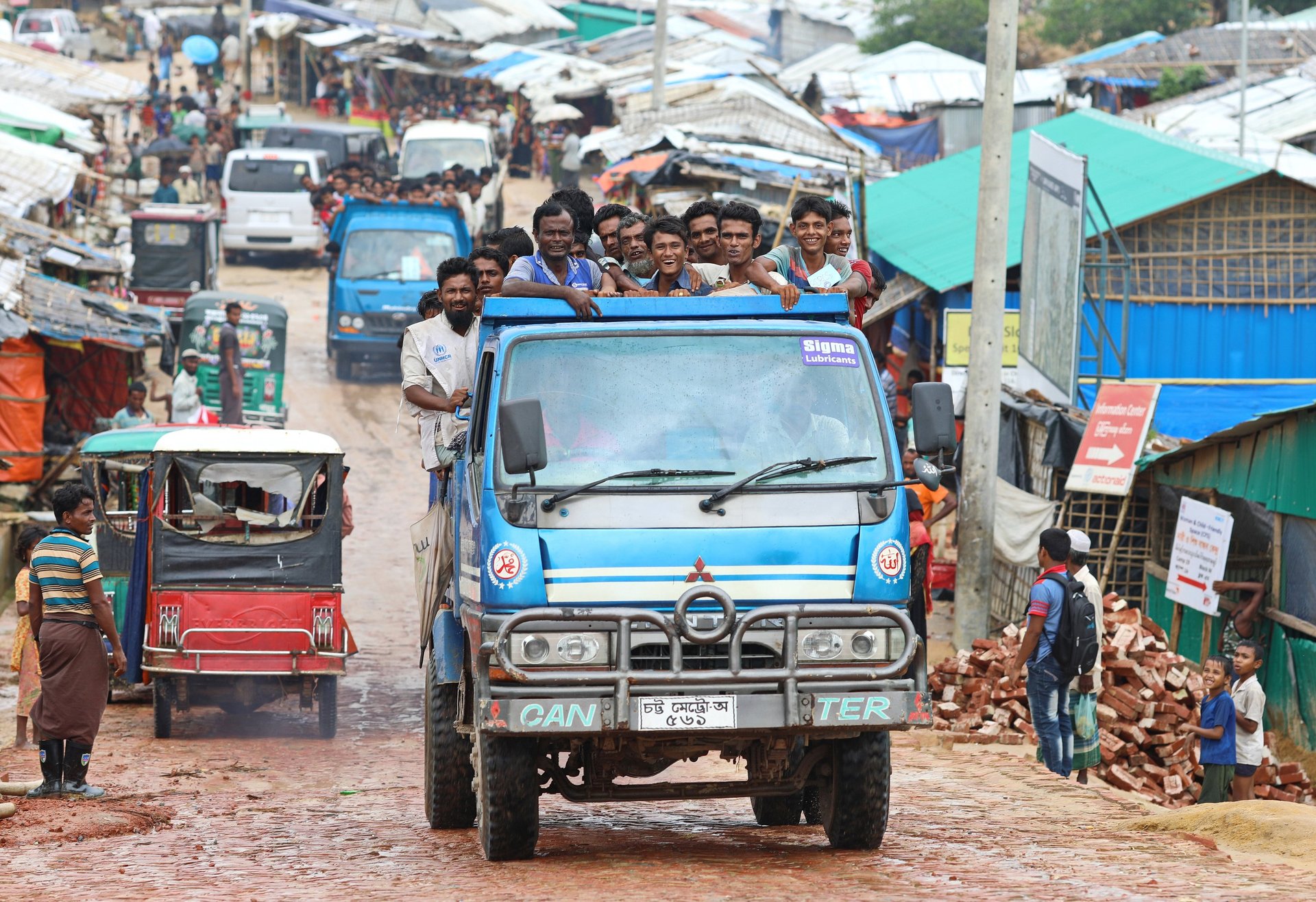
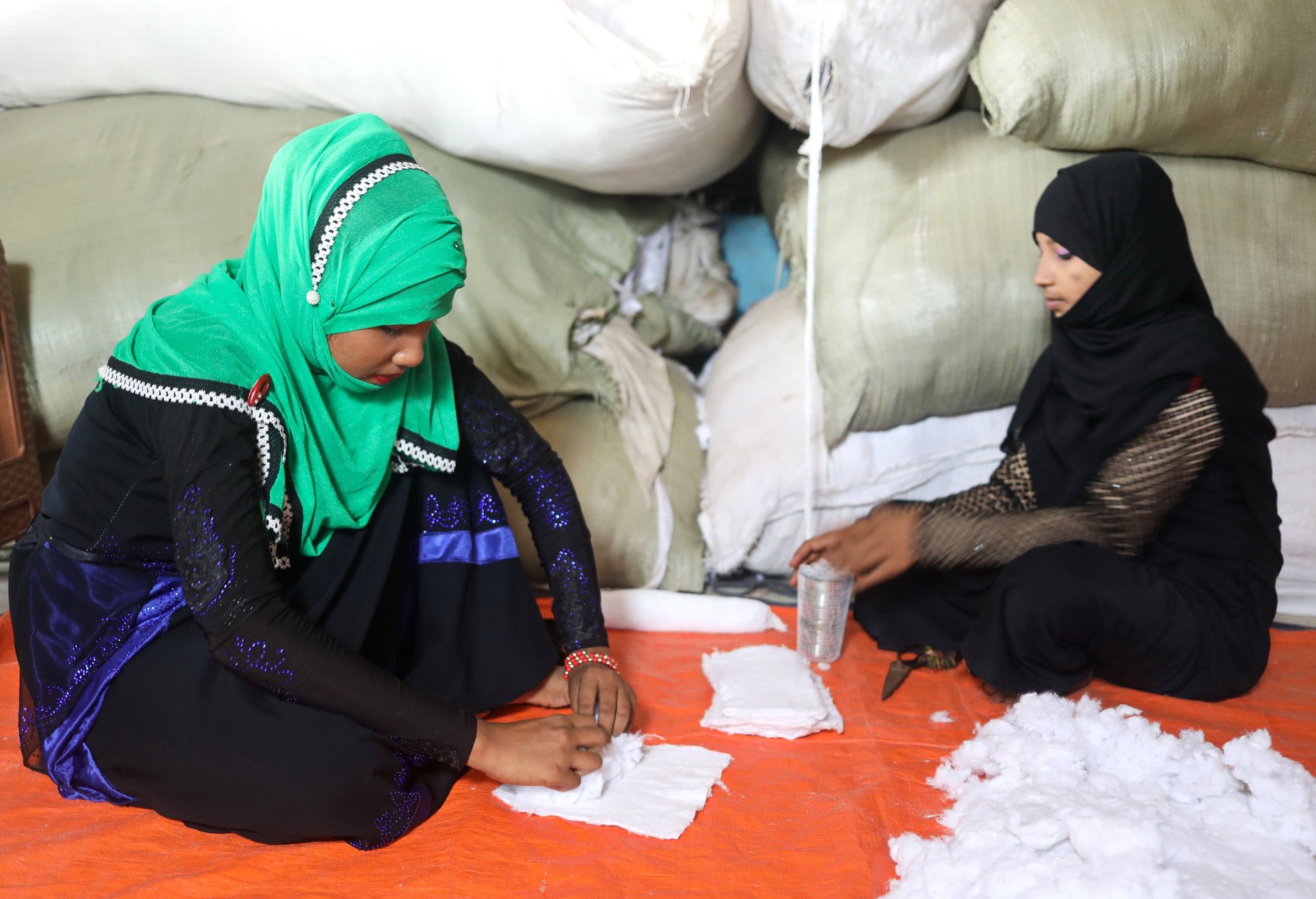
This body of work documents everyday life within the camps — a landscape defined by bamboo structures, tarpaulin roofs, and narrow paths carved into fragile hillsides. The images focus on routines shaped by displacement: collecting water, waiting in distribution lines, navigating the terrain during monsoon rains, and creating spaces of normalcy within instability.
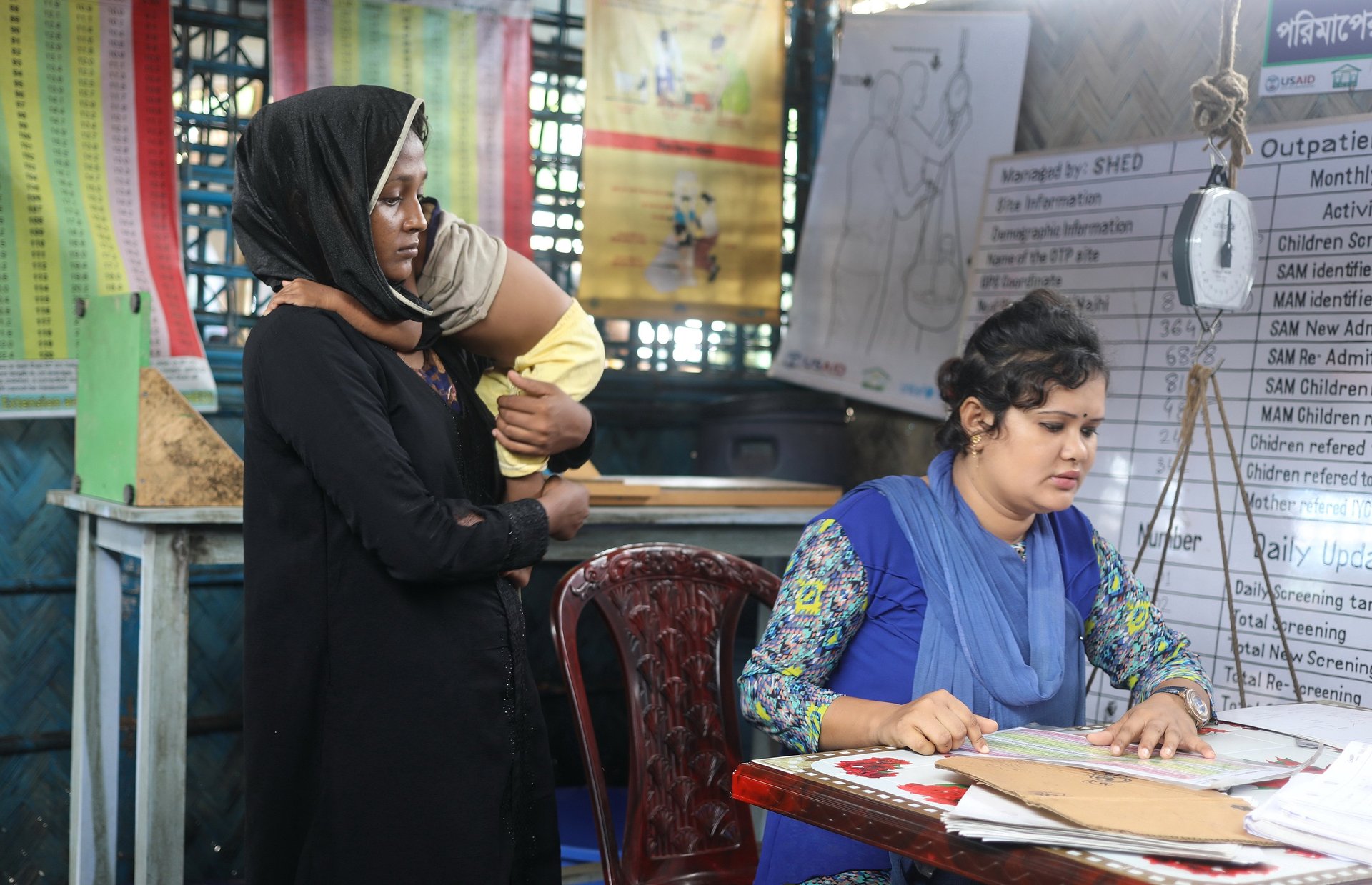
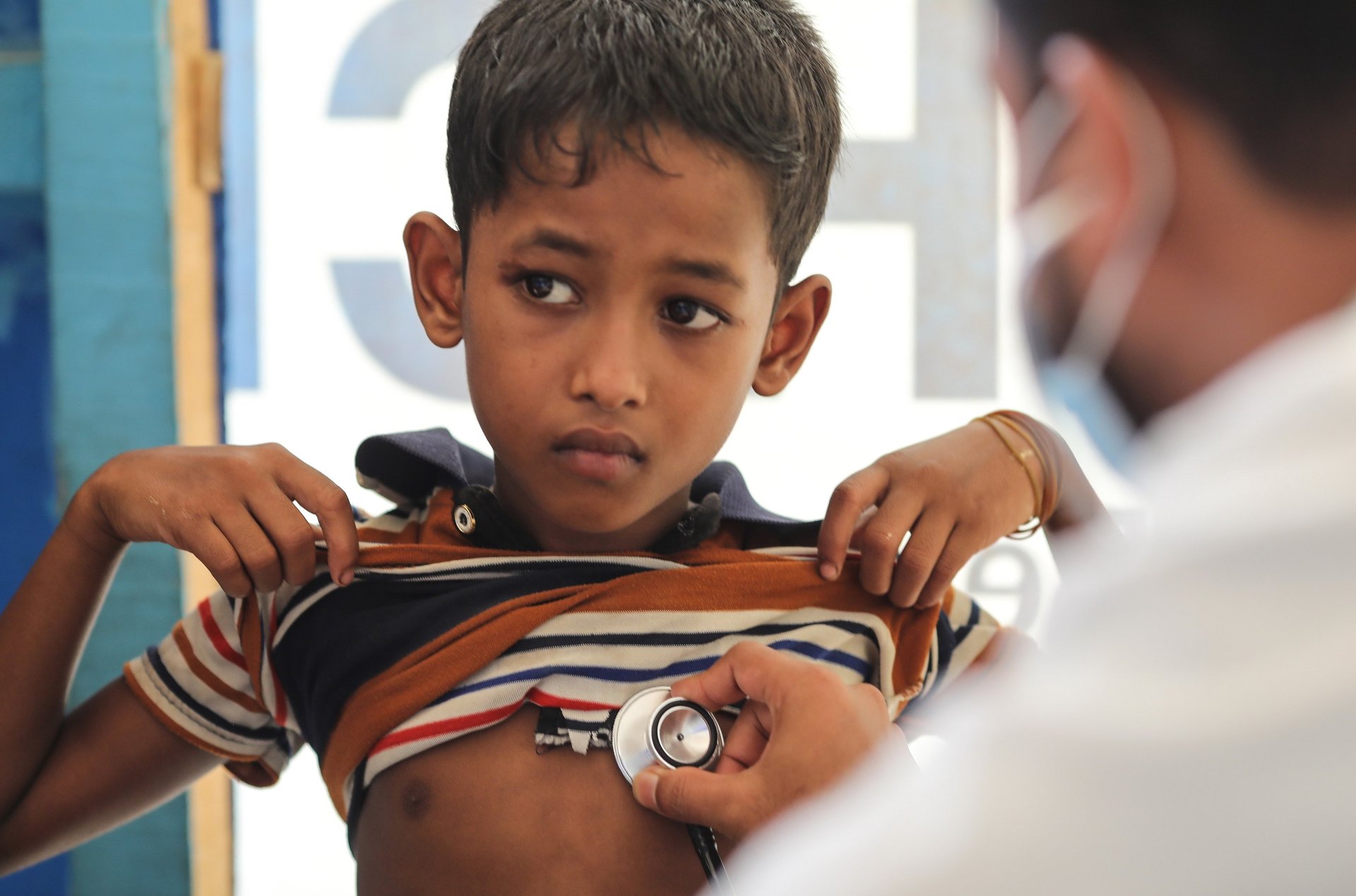
Humanitarian presence is constant but uneven, structured through systems of aid distribution, health services, and protection mechanisms. At the same time, residents remain confined, with limited freedom of movement and restricted access to long-term opportunities, reinforcing a condition of prolonged uncertainty.
Rather than depicting crisis as a singular moment, this project observes the camp as an evolving environment — a place where survival becomes structure, and where time stretches between emergency and permanence. The photographs examine the tension between visibility and invisibility: a population highly present in global discourse, yet largely confined to the margins of political resolution.
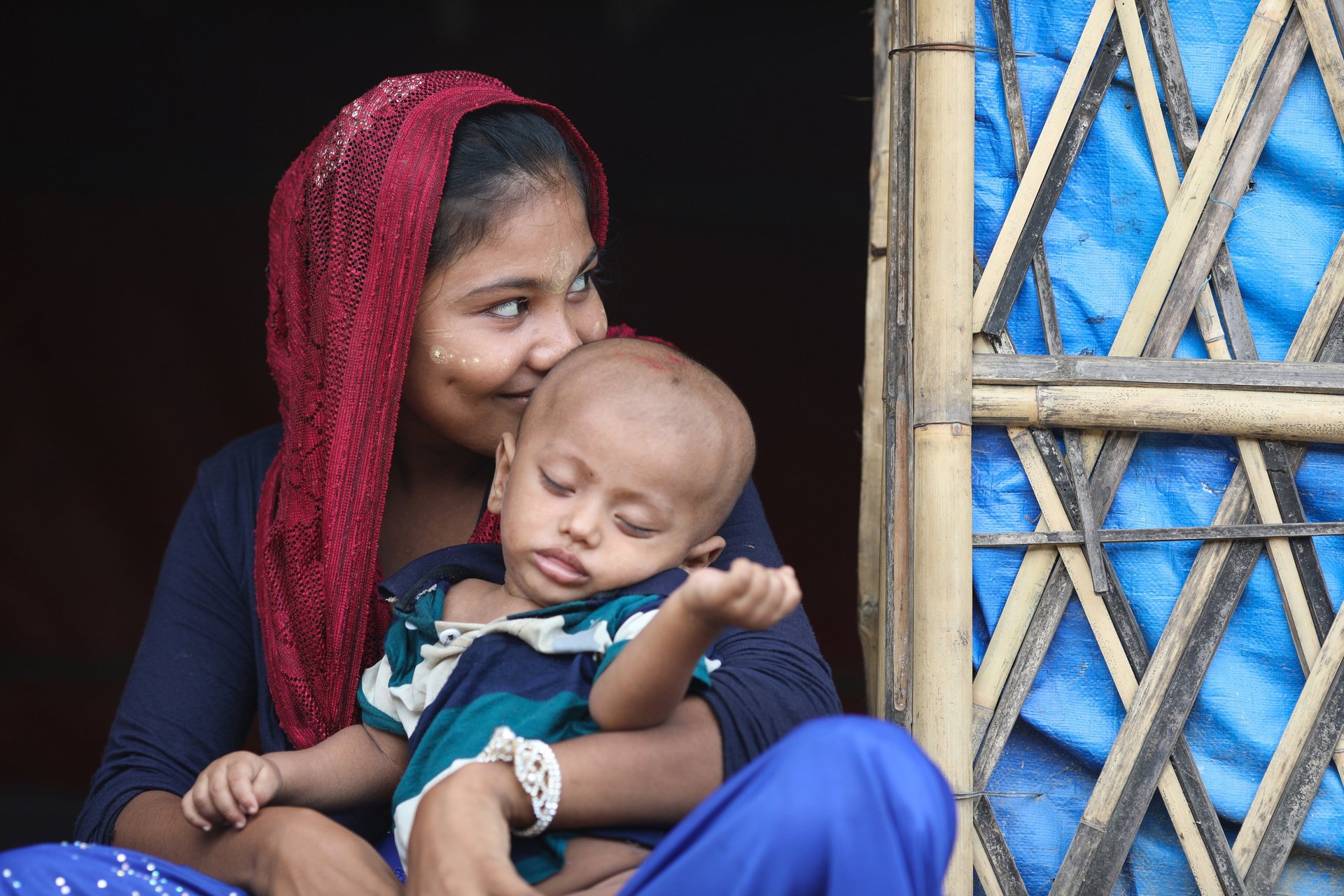
Through close, sustained observation, the work seeks to document not only the scale of displacement, but the quiet resilience embedded in daily gestures — and the complex reality of life lived in suspension.